
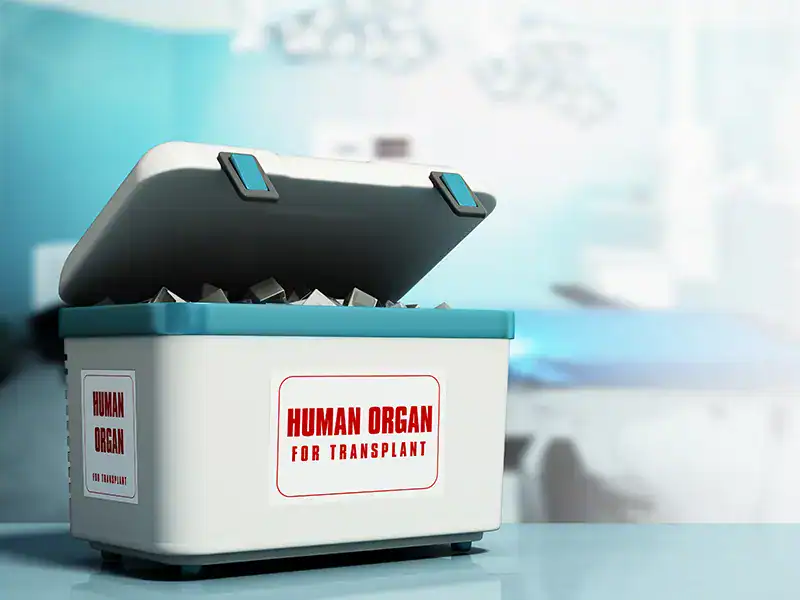
Ice helps preserve vaccines and biological samples, supports physical therapy, and enables organ transport.
Understanding how medical professionals use specialized ice can also help homeowners improve their first aid kits, prepare for emergencies, and treat injuries safely at home.
Ice Is More Than Frozen Water
Ice does far more than chill drinks or cool picnic coolers. In hospitals, clinics, and research labs, specialized ice plays a critical role in preserving medications, protecting organs for transplant, supporting physical therapy, and safeguarding medical samples.
When you grab ice from your freezer, you probably are not thinking about how it is used in medicine. But for healthcare workers and researchers, ice is an essential tool that helps protect patients, preserve sensitive materials, and support lifesaving procedures.
While most homeowners will never need hospital-grade ice systems, many of the same cold-storage principles can improve home first aid and emergency preparedness.
How Hospitals and Research Labs Use Ice
Hospitals and labs do not rely on ordinary ice cubes. They use specialized ice machines that produce different shapes, textures, and temperatures for specific medical purposes.
The Tech Behind Medical-Grade Ice Machines
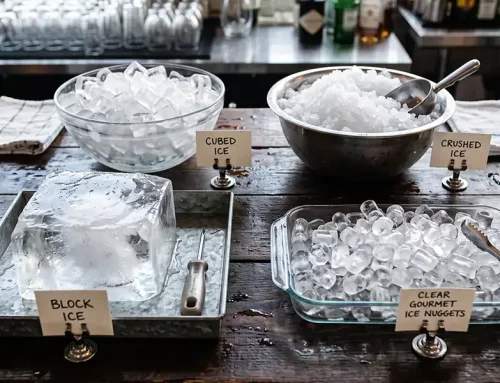
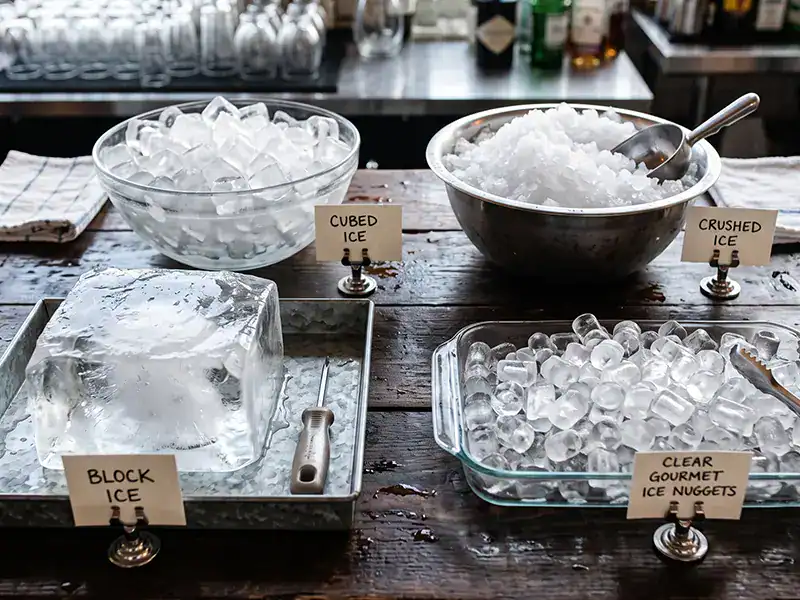
Your kitchen freezer makes hard, solid cubes, but hospitals often need softer, more flexible ice. Many healthcare facilities use flaked ice, nugget ice, and medical ice slush because these forms are safer and better suited for medical applications.
Why Flaked Ice Works So Well
Flaked ice is soft, easy to shape, and melts slowly, making it ideal for:
- Packing around blood bags
- Cooling laboratory samples
- Wrapping injured joints
- Filling medical coolers
Because flaked ice has no sharp edges, it is less likely to tear sterile bags or irritate sensitive skin.
Preserving Vaccines and Medications
Many medications, including insulin, specialty injectables, and certain vaccines, require strict temperature control. Even brief exposure to heat can reduce their effectiveness.
Healthcare facilities maintain a carefully controlled “cold chain” from the manufacturer to the patient.
Why temperature control matters:
- Medical-grade ice packs maintain stable temperatures longer than standard ice.
- Insulated transport containers help prevent temperature fluctuations.
- Dry ice is often used for ultra-cold vaccine transport and laboratory shipping.
- Backup refrigeration systems protect medications during emergencies and power outages.
Transporting Organs and Biological Samples
For organ transplants, every moment counts. Medical professionals use sterile crushed ice or medical ice slush to slow organ activity and reduce tissue damage during transport. Cold temperatures help preserve organs long enough for surgeons to perform successful transplant procedures.
The process typically includes:
- Placing the organ in a sterile preservation bag
- Surrounding it with specialized ice slush
- Transporting it in insulated medical coolers to the recipient hospital
Physical Therapy and Injury Recovery
Hospitals and physical therapy centers also use cold therapy to reduce swelling, ease pain, and support recovery after surgery or injury.
Medical professionals may use:
- Ice massage
- Flexible gel packs
- Localized cold-compression devices
- Circulating cold-water therapy systems
These treatments help reduce inflammation, numb pain, and make recovery more comfortable.
Applying Medical Ice Principles at Home
You don’t need a hospital ice machine to use some of the same cold-therapy strategies at home. A few simple supplies and preparation steps can help you respond to injuries and emergencies more effectively.
Why Icing an Injury Helps
When you get hurt, your body immediately sends extra blood and fluid to the injured area. This natural response helps begin the healing process, but it also causes swelling, inflammation, redness, and pain.
Cold therapy helps slow that reaction down.
Ice works best for sprains, strains, minor bumps and bruises, swollen joints, muscle soreness, and post-workout inflammation.
Here is what cold therapy does:
- Reduces swelling: Cold temperatures temporarily narrow blood vessels, limiting excess fluid buildup in injured tissue.
- Numbs pain: Ice slows nerve signals, helping reduce soreness and discomfort.
- Decreases inflammation: Lower temperatures help calm the body’s inflammatory response, especially during the first 24 to 48 hours after an injury.
- Limits muscle spasms: Cold therapy can help relax irritated muscles and reduce tightness around an injury.
Icing is like pressing pause on your body’s strong reaction to an injury. It will not heal the injury itself, but it can help prevent swelling and pain from becoming worse.
However, more ice is not always better. Excessive icing can damage skin and sensitive tissue. While ice works well for “closed” injuries like sprains and bruises, applying ice directly to cuts, scrapes, or deep wounds may cause additional irritation.
Important Icing Tips
- Apply ice for 15 to 20 minutes at a time.
- Always place a towel or cloth between the ice and your skin.
- Wait at least 1 to 2 hours between icing sessions.
- Avoid falling asleep with an ice pack on.
Upgrade Your First Aid Kit
A bag of frozen peas may soothe a sprain in an emergency, but reusable cold packs are more effective and easier to use.
Consider keeping:
- Flexible gel packs in your freezer for sprains and sore muscles.
- Instant cold packs in your car or emergency kit for portable, freezer-free cooling.
Home Emergency Preparedness and Cold Storage
If you live in Southern California, you know that heatwaves and power outages can happen unexpectedly.
A few simple cold-storage supplies can help protect food, medications, and emergency drinking water during outages.
Helpful Emergency Prep Tips
- Keep several frozen water bottles in the freezer to help maintain cold temperatures during outages. As the bottles melt, they can also provide emergency drinking water.
- Store reusable gel packs in the freezer year-round for immediate access.
- Use frozen water bottles in a dedicated cooler to help keep medications cold.
Make Your Own Flexible Ice Pack
Making a reusable ice pack at home is simple and inexpensive.
What You Need
- 2 parts water
- 1 part rubbing alcohol
- Resealable freezer-safe plastic bags
Instructions
- Mix the water and rubbing alcohol together
- Pour the mixture into a freezer bag
- Remove as much air as possible before sealing
- Double-bag the mixture to help prevent leaks
- Freeze for several hours
- If the mixture is too slushy, add more water. If it’s too hard, add more rubbing alcohol.
Rubbing alcohol lowers the freezing point, keeping the mixture slushy and flexible rather than freezing solid.
Preparation Makes a Big Difference
Sometimes the simplest tools are the most useful.
Ice plays an important role in both medicine and home care. From protecting medications and preserving organs to soothing sore muscles and reducing swelling, cold therapy is a simple but powerful tool.
By applying a few hospital- and laboratory-based cold-storage principles at home, you can build a better first-aid kit, improve emergency preparedness, and be ready to treat minor injuries.
FAQs: Ice in Medicine
Q: What kind of ice do hospitals use?
Hospitals commonly use flaked ice, nugget ice, and medical ice slush because they are soft, moldable, and safe for medical applications.
Q: Why don’t medical facilities use regular ice cubes?
Regular cubes are hard and uneven. They do not conform well to irregular shapes and may puncture sterile bags or irritate injured skin.
Q: How do hospitals keep ice machines sanitary?
Medical facilities follow strict cleaning schedules using specialized sanitizers and maintenance protocols to prevent mold, bacteria, and biofilm buildup.
Q: How long should I ice an injury?
Most experts recommend icing injuries, such as a sprain, for 15 to 20 minutes at a time during the first 24 to 48 hours after an injury. Always place a cloth barrier between the ice pack and your skin.
Q: What is the best way to store refrigerated medicine during a power outage?
If it looks like it will take a while for your power to be restored, place the medicine in a high-quality insulated cooler with reusable gel packs or frozen water bottles. Use a digital thermometer to ensure medications stay within a safe temperature range.
Q: Are instant cold packs as effective as gel packs?
Instant cold packs are excellent for emergency situations and travel kits, but they usually do not stay cold as long as traditional ice or reusable gel packs.
Q: Can I buy medical-grade gel packs locally?
Yes. Many pharmacies, medical supply stores, and sporting goods retailers carry professional-grade reusable gel packs.
Q: Does an energy-efficient freezer help with emergency preparedness?
Absolutely. Consistent freezer temperatures help ensure ice packs remain fully frozen and ready for emergencies while lowering energy costs.




Leave A Comment