
Ice is frozen water. Sounds simple, right?
But behind every ice cube, glacier, and snowflake is a strong dose of science. Ice expands when it freezes, floats on liquid water, and shapes weather, landscapes, and life on Earth.
This guide explains how ice forms, why it behaves so oddly, and what makes it one of the most important substances on the planet. You’ll also find fun trivia and quick facts you can share.
What Is Ice?
Ice is the solid form of water. It forms when water cools to 32°F (0°C) or below under normal pressure. At that point, water molecules slow down and lock into a crystal structure that gives ice some rare traits that most solids lack.
Why ice is unusual
Most substances:
- Shrink when they freeze
- Become denser as solids
- Sink in their liquid form
Water does the opposite.
When water freezes, its molecules form an open hexagonal pattern. That structure takes up more space than liquid water.
Why Does Ice Float?
Ice floats because it’s about 9% less dense than liquid water.
Why that matters
If ice sank, lakes and rivers would freeze from the bottom up. In cold climates, entire bodies of water could turn solid. That would make life much harder for fish, plants, and other organisms.
Instead:
- Ice forms on the surface
- The top layer acts like insulation
- Water below stays warmer than the air above
- Aquatic life survives winter more easily
This one property helps make Earth more hospitable to life.
Ice and the US Navy
During World War II, the US Navy experimented with an unusual concept for creating unsinkable ships: a mixture of ice and sawdust known as Pykrete.
The idea was to craft durable, floating structures that could withstand attacks and remain afloat for extended periods. This innovative material combined water and wood pulp, which, when frozen, became highly resistant to melting and impacts.
- Pykrete was significantly stronger and more durable than pure ice.
- It melted far more slowly, making it ideal for long-term use in marine environments.
- The material was cheap and could be produced with readily available resources.
- Despite its potential, logistical challenges and advances in conventional shipbuilding ultimately led to the abandonment of the concept.
How Ice Forms
Freezing begins when water loses heat. As the temperature drops, water molecules move less and begin to bond in fixed positions.
The freezing process in steps
- Water cools to its freezing point
- Molecules slow down
- Tiny ice crystals start to form
- Crystals grow and connect
- Liquid water turns into solid ice
Still, real-world freezing isn’t always neat. Dissolved salts, pressure, air movement, and impurities can change how ice forms.
Supercooling: water that stays liquid below freezing
Water can sometimes remain liquid even below 32°F (0°C). This is called supercooling.
Supercooled water freezes fast when:
- It’s disturbed
- It touches a surface
- A crystal seed forms inside it
That’s why freezing rain can turn roads into sheets of ice almost instantly.
The Crystal Structure of Ice
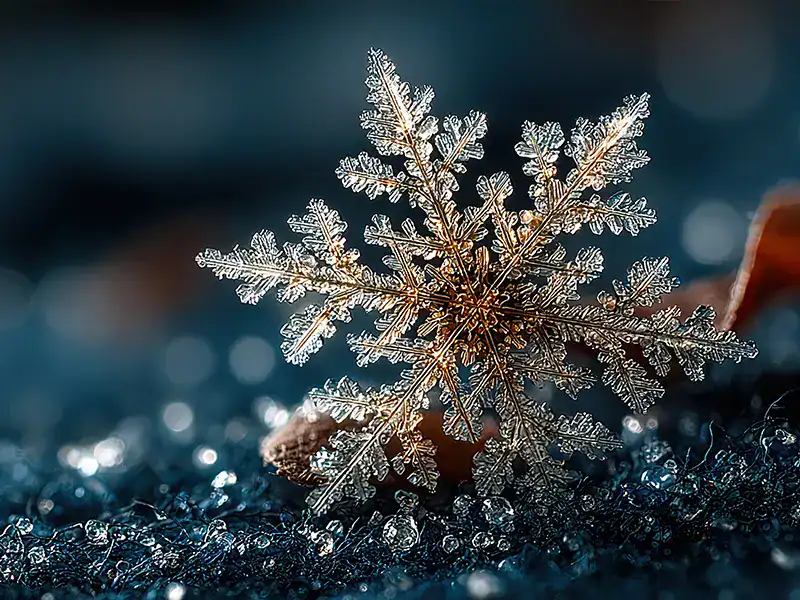
In normal conditions, water freezes into a structure known as hexagonal ice — the reason why snowflakes show six sides.
What makes the structure special
Each water molecule contains:
- Two hydrogen atoms
- One oxygen atom
The angle and charge of these atoms let molecules bond in a way that creates open spaces. That is what makes ice expand and become less dense.
Scientists have found many forms of ice, not just the one in your freezer. Under extreme pressure, water can form various crystal structures, including ice II, ice III, ice V, and others. These types may exist inside icy moons and distant planets.
Fun Facts About Ice
Ice trivia is full of surprises.
1. Hot water can freeze faster than cold water
This odd effect is called the Mpemba effect. It doesn’t happen every time, and scientists still debate the exact cause. But under some conditions, warmer water can freeze faster than cooler water.
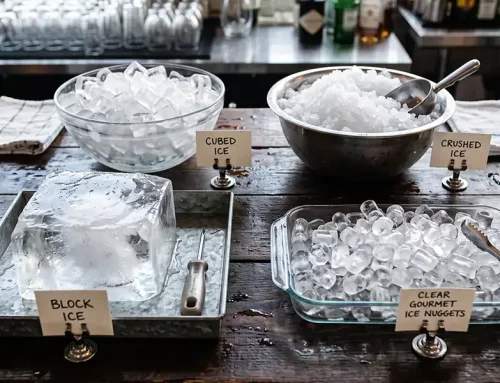
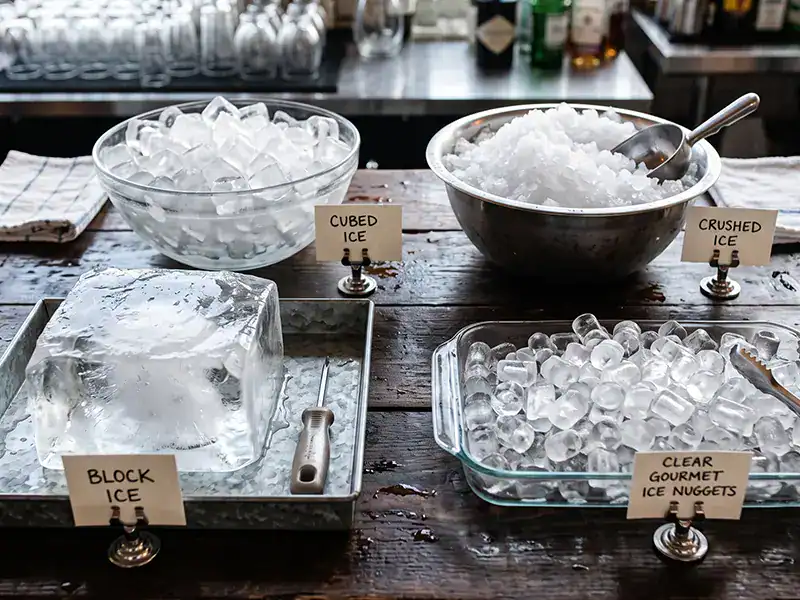
2. Ice can be clear or cloudy
Clear ice forms when gases and impurities are slowly pushed out. Cloudy ice traps tiny air bubbles and minerals.
That is why:
- Freezer ice cubes often look white
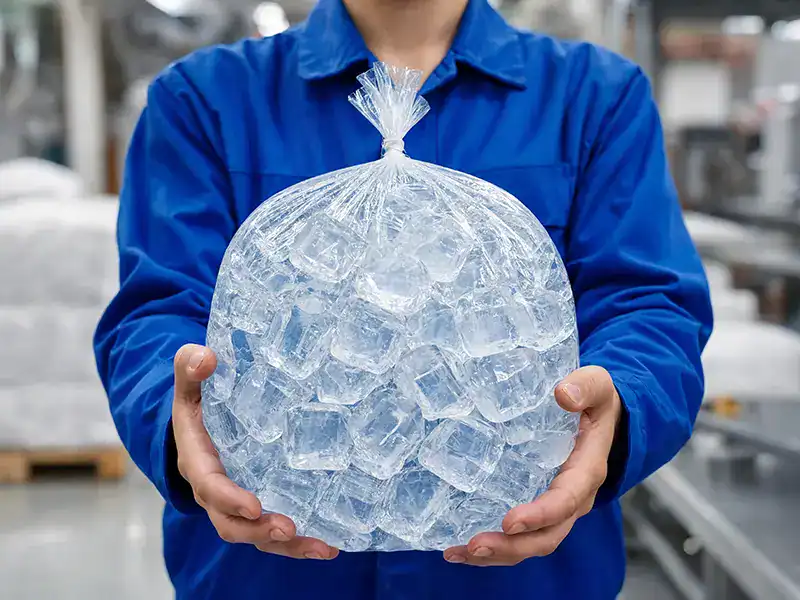
- Large commercial cubes look crystal clear
3. Snow is a form of ice
Snowflakes are ice crystals that form in clouds. Their exact shape depends on temperature and humidity.
4. No two snowflakes are exactly alike
This claim is widely repeated, and while it is hard to prove in every case, snowflakes form under changing conditions that make exact matches extremely unlikely.
5. Ice can burn skin
Cold burns occur when skin comes into contact with very cold surfaces for too long. Ice can damage tissue in much the same way heat does.
6. Glaciers move
They may look motionless, but glaciers flow slowly under their own weight. Some move just a few inches a day. Others move much faster.
7. Ice helps weather the planet
Ice reflects sunlight. This is called the albedo effect. Bright ice and snow send more solar energy back into space than dark land or water.
8. Sea ice and glacier ice are not the same
- Sea ice forms when ocean water freezes
- Glacier ice forms from compacted snow on land
This difference matters in climate science.
Ice in Nature
Ice is a major force in the natural world.
Glaciers shape landscapes
Over long periods, glaciers carve valleys, move rocks, and grind down mountains. Many famous landforms were shaped by ice during past ice ages.
Examples include:
- U-shaped valleys
- Fjords
- Moraines
- Glacial lakes
Polar ice affects the global climate
Earth’s ice sheets, especially in Greenland and Antarctica, store huge amounts of freshwater. Changes in these regions affect:
- Sea level
- Ocean circulation
- Weather patterns
- Habitat for wildlife
Ice supports ecosystems
Sea ice helps support entire food webs. Algae grow beneath it. Small organisms feed on that algae. Fish, seals, penguins, and polar bears depend on the larger system.
Why Ice Is Slippery
Ice feels slick, but the reason is more complex than many people think.
For years, people thought ice was slippery because pressure from your foot or skate melted the top layer. Pressure can play a role, but it isn’t the full story.
Scientists now think slipperiness comes from a mix of factors:
- A thin liquid-like layer on the surface
- Friction from movement
- Pressure in some cases
This is why ice can be slippery even when you’re standing still on it.
Ice & Everyday Life
Common uses of ice
- Cooling food and drinks
- Preserving medicine
- Reducing swelling after injury
- Making sports possible, like hockey and skating
- Helping transport food safely
Why salt melts ice on roads
Salt lowers the freezing point of water. This means liquid water can exist below 32°F, which helps break up ice.
But at very low temperatures, salt becomes much less effective.
Strange & Amazing Ice Records
- The largest ice sheet on Earth is in Antarctica
- Ice cores can preserve climate records stretching back hundreds of thousands of years
- Some ancient glacier ice contains tiny air bubbles from past atmospheres
- Frost flowers, which grow on sea ice, look like delicate frozen blooms
- Icicles can grow in layers as water freezes again and again
These details help scientists study Earth’s past and understand its future.
Why the Science of Ice Matters
Ice affects life, climate, transport, ecosystems, and geology. It also helps scientists track long-term environmental change.
When researchers study ice, they learn more about:
- Past temperatures
- Greenhouse gases
- Ocean changes
- Planetary science
- Water systems on Earth
In short, ice is one of the best natural records we have.
FAQs: Ice Trivia
Q: Why does ice float instead of sinking?
Ice floats because its molecules form an open crystal structure when frozen. That makes it less dense than liquid water.
Q: At what temperature does water freeze?
Under normal pressure, pure water freezes at 32°F (0°C).
Q: Why is ice slippery?
Ice is slippery because of a thin, liquid-like surface layer, along with the effects of friction and pressure.
Q: Is all ice the same?
No. Scientists have identified many forms of ice with different crystal structures, especially under high pressure.
Q: Why are some ice cubes cloudy?
Cloudy ice traps air bubbles and impurities as it freezes. Clear ice forms when freezing happens more slowly and evenly.
Q: Can hot water really freeze faster than cold water?
Sometimes, yes. This is called the Mpemba effect, though it depends on the conditions.
Q: What’s the difference between sea ice and glacier ice?
Sea ice forms from frozen ocean water. Glacier ice forms on land from snow that builds up and compresses over time.
Q: Why is ice important for Earth’s climate?
Ice reflects sunlight, cools the planet, stores freshwater, and affects sea level and weather systems.





Leave A Comment