
Summer events in Los Angeles are hot — and running out of ice is a fast way to ruin one. Whether you’re hosting a backyard wedding, corporate event, or outdoor production, the right ice keeps drinks cold, food safe, and guests comfortable.
This guide covers the essentials: choosing the right type of ice, calculating how much you’ll need, scheduling delivery around LA heat and traffic, and avoiding last-minute shortages.
Choosing the Right Type of Ice
Not all ice works for every job. Match the type to the task:
- Cube ice: The all-purpose choice. Great for cocktails, soft drinks, and self-serve coolers. Melts slowly and looks clean.
- Crushed ice: Ideal for blended drinks, snow cones, and packing raw bars. Chills fast but melts quicker.
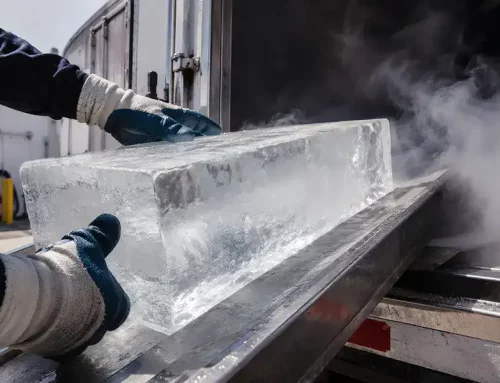
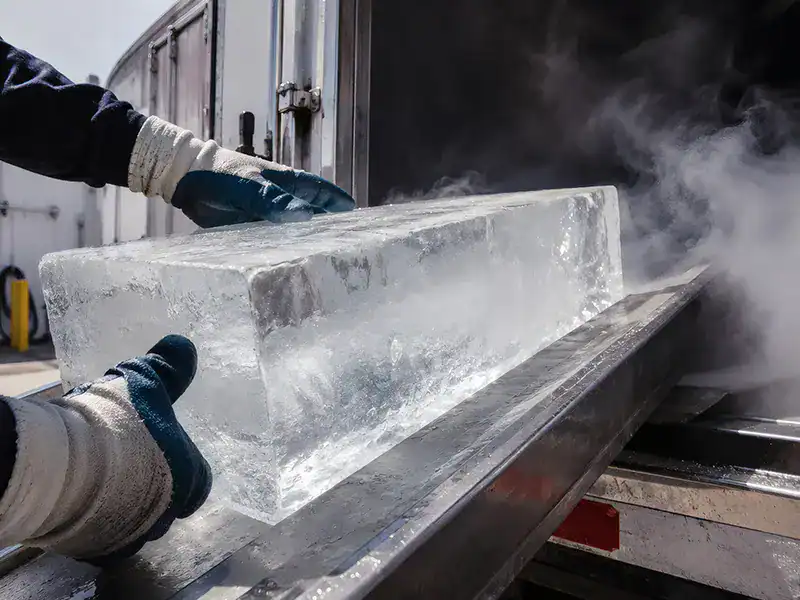
- Block ice: Best for long events. Melts slowly and keeps kegs, seafood displays, or large coolers cold for hours.
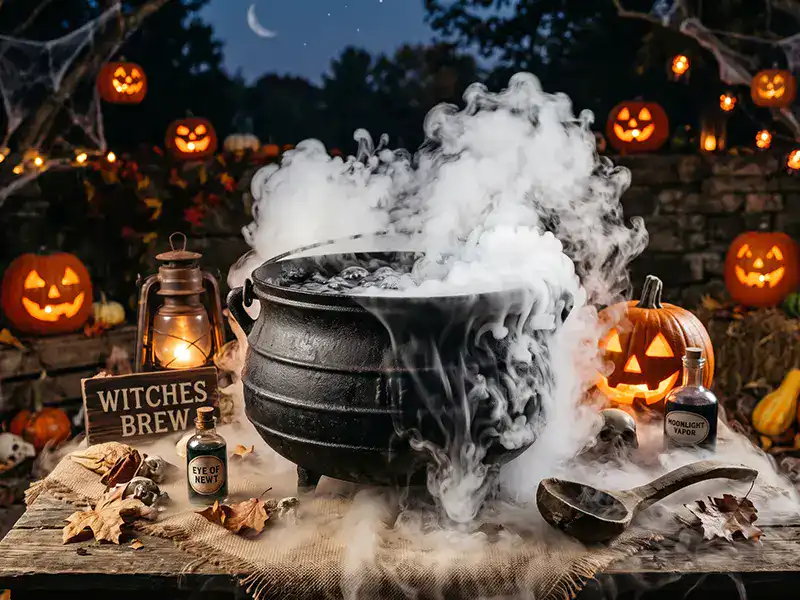
- Dry ice: Used for special effects (fog), keeping food frozen, or long-distance transport. Requires careful handling and ventilation.
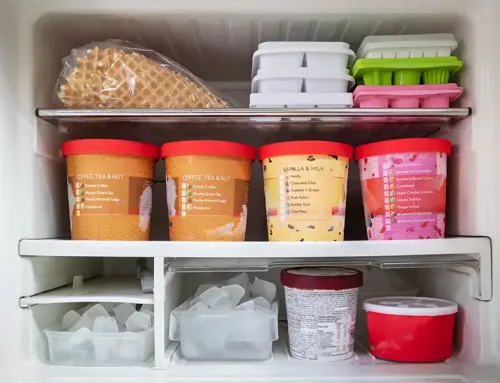
- Packaged/bagged ice: Convenient for guests, drink stations, and quick refills. Easy to store and distribute.
Most outdoor events require a mix of cube ice for drinks, block ice for coolers, and crushed ice for food displays.
How Much Ice to Order
Running out of ice is the most common mistake. Build in a buffer instead of guessing low.
A simple starting formula:
- Drinks only: 1 to 1.5 lbs of ice per guest
- Drinks + food cooling: 2 to 2.5 lbs per guest
- All-day or hot-weather events: 3 lbs or more per guest
Adjust up when:
- The temperature climbs above 85°F
- The event runs longer than four hours
- You’re cooling perishables, seafood, or large beverage tubs
- There’s no shade or refrigeration on-site
Quick example: A 100-guest afternoon wedding in July with a full bar and food display? Plan for roughly 250–300 lbs of ice, minimum.
LA-Specific Planning Factors
Los Angeles adds variables you can’t ignore. Plan around them:
Heat & microclimates
- Coastal events (Santa Monica, Malibu) run cooler. Standard amounts work.
- Inland and Valley locations (Burbank, Woodland Hills, Pasadena) get hot fast. Add 25–50% more ice.
- Desert-adjacent shoots and events need maximum buffers and shaded storage.
Traffic & delivery windows
- LA traffic can turn a 20-minute trip into an hour. Schedule delivery before peak congestion.
- Avoid 7–9 a.m. and 3–7 p.m. windows when possible.
- For weekend events, book early-morning slots to beat the heat and gridlock.
Venue access
- Confirm parking, loading zones, and gate access in advance.
- Rooftop, beach, and park venues may require hand-carrying ice. Factor in extra time.
- Ask whether the venue has an on-site freezer or cold storage.
Event type
- Weddings: Prioritize clean cube ice for bars and crushed ice for raw bars.
- Corporate events: Bagged ice for drink stations keeps things tidy and self-serve.
- Film shoots: Long days demand block ice and extra buffers.
- School and community gatherings: Bagged ice plus a few block units for coolers usually covers it.
Timing Your Delivery
Too early and the ice melts; too late and you’re behind schedule.
- Schedule delivery 1–2 hours before guests arrive. This keeps ice fresh without a long melt time.
- For all-day events, arrange a second delivery midway through.
- In extreme heat, request insulated transport and split deliveries to reduce loss.
- Confirm the day before to lock in your window and avoid surprises.
Two smaller deliveries often beat one big drop in hot weather.
Practical Tips to Avoid Running Out
A few simple habits keep your ice supply steady all event long:
- Store smart: Keep reserve ice in coolers or shaded bins, not in direct sun.
- Separate drinking ice from cooling ice: Use clean ice for cups and bulk ice for tubs.
- Insulate everything: Wrap coolers in blankets or use insulated containers to slow melt.
- Assign someone to monitor levels: One person should track and refill stations.
- Keep a backup supplier contact: Have a number ready for emergency same-day delivery.
- Order 10–15% extra: A small buffer beats a mid-event shortage.
Why Professional Ice Delivery Wins
Hauling bags from the store rarely scales for real events. A delivery service saves time and stress by handling:
- Bulk volume you can’t fit in a car
- Insulated, on-time transport across LA
- Multiple ice types in one order
- Scheduled and split deliveries for long events
You focus on the event. The ice shows up cold, on time, and in the right amount.
FAQs: Ordering the Right Amount of Ice
Q: How far in advance should I order ice for an outdoor event?
Place your order at least 2–3 days ahead, and confirm your delivery window the day before. For peak-season weekends, book even earlier.
Q: How much ice do I need per person?
Plan 1–1.5 lbs per guest for drinks only, and 2–3 lbs per guest when cooling food or hosting in hot weather.
Q: What type of ice is best for a wedding bar?
Cube ice is ideal—it melts slowly, looks clean, and works for both cocktails and soft drinks.
Q: Can ice be delivered directly to a park or beach venue?
Yes, but confirm access, parking, and any hand-carry requirements in advance, as these may add to delivery time.
Q: How do I keep ice from melting too fast in LA heat?
Store it in shaded, insulated coolers, separate drinking ice from cooling ice, and consider split deliveries for long events.
Q: Do you offer same-day ice delivery?
Many LA providers offer same-day service, though scheduling ahead guarantees availability and better timing.
Q: What’s the best delivery time to avoid LA traffic?
Aim for early-morning windows and avoid 7–9 a.m. and 3–7 p.m. rush hours.
Q: Should I order extra ice just in case?
Yes. Add 10–15% to your total to cover heat, delays, or higher-than-expected demand.
Leave A Comment