
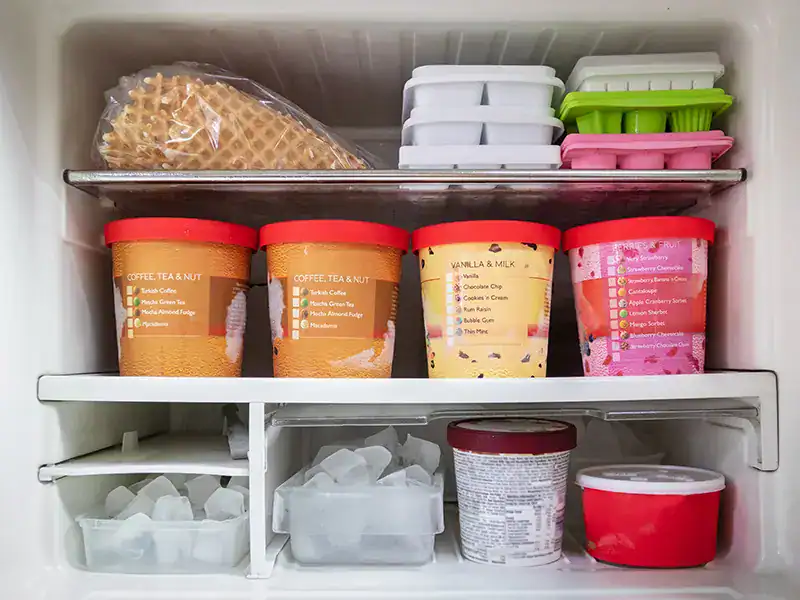
Fresh ice doesn’t stay fresh by accident. Poor storage can leave you with cloudy, stale-smelling cubes that affect every drink.
Whether you’re stocking up for a backyard barbecue, filling coolers for a weekend getaway, or just making better ice at home, these simple storage tips will keep your ice cleaner, fresher, and longer-lasting.
Why Does Ice Go Bad?
Ice doesn’t spoil like food, but it does degrade. Here’s why:
- Odor absorption: Ice is porous. It readily absorbs the smells of nearby foods in the freezer.
- Freezer burn: Exposure to circulating air causes surface sublimation, leaving ice with a dry, rough texture.
- Temperature fluctuations: Each time your freezer opens and closes, slight thawing and refreezing contribute to cloudiness and off-flavors.
- Contamination: Handling ice with bare hands introduces bacteria and oils that affect flavor.
All of these problems are preventable with the right storage habits.
What Container Should You Use to Store Ice?
- Dedicated ice bucket with a lid: Best for short-term use (parties, same-day events). Keeps ice contained and reduces odor transfer.
- Airtight freezer bags: Squeeze out excess air before sealing. Lay flat to freeze efficiently. Good for 1–2 days.
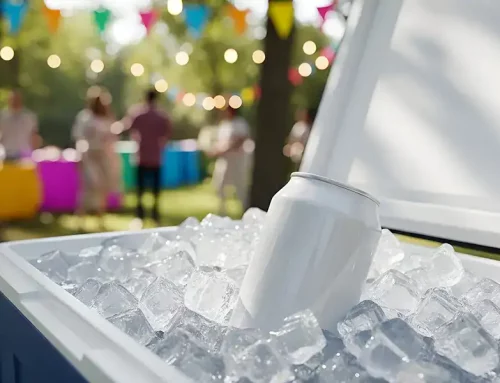
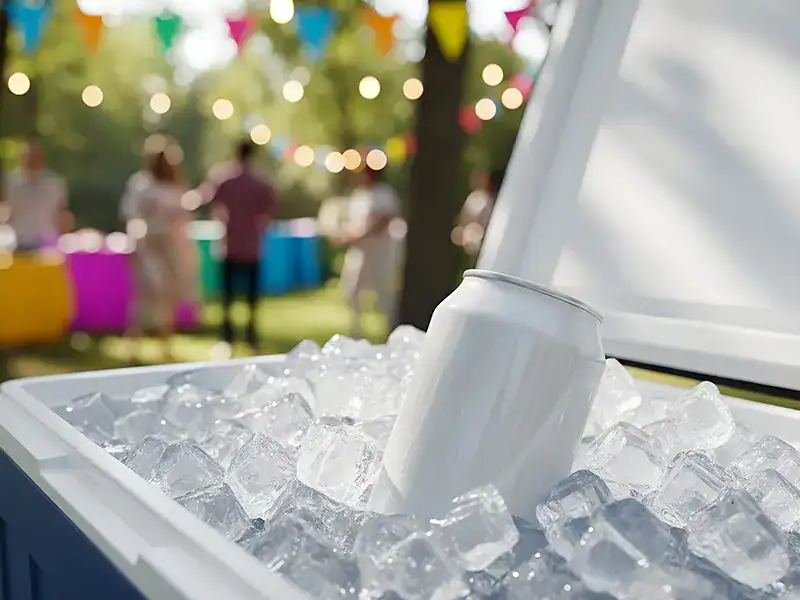
- Insulated cooler or ice chest: Ideal for longer storage or outdoor use. A high-quality cooler with a tight seal can keep ice solid for 24–72 hours, depending on ambient temperature.
- Plastic containers with locking lids: Acceptable for freezer storage, but not as effective as insulated options.
Avoid open trays for anything beyond immediate use. They’re fine for making ice, not storing it.
How to Store Ice in Your Freezer the Right Way
Follow these steps to get the most out of your ice:
- Set your freezer to 0°F (-18°C). This is the USDA-recommended temperature for frozen food storage, and it keeps ice solid and fresh.
- Transfer ice to an airtight container immediately after it forms. Don’t leave cubes sitting in the tray.
- Store ice away from strong-smelling foods like onions, garlic, fish, or leftovers. Even sealed containers can’t fully block odors over time.
- Label and date your ice bags. Ice stored for more than 3 days begins to absorb freezer odors.
- Never refill a bag with new ice on top of old ice. Always use fresh containers to avoid contamination.
How Long Can You Store Ice Before It Goes Stale?
Here’s a general timeline:
- Homemade ice cubes (open tray): Best within 24 hours
- Homemade ice (airtight bag or container): 1–3 days for peak freshness, up to 1–2 weeks before noticeable degradation
- Store-bought bagged ice: 1–2 weeks unopened; use within 24–48 hours once opened
- Ice in a cooler: 1–3 days, depending on cooler quality, sun exposure, and how often it’s opened
Southern California summers can push ambient temperatures above 90°F, significantly shortening the lifespan of ice in coolers. Pre-chilling your cooler with a sacrificial bag of ice 30 minutes before loading it with your actual supply makes a real difference.
Tips for Keeping Ice Fresher Longer in a Cooler
If you’re using a cooler for outdoor entertaining or a camping trip:
- Pre-chill the cooler before adding ice. A warm cooler melts ice faster.
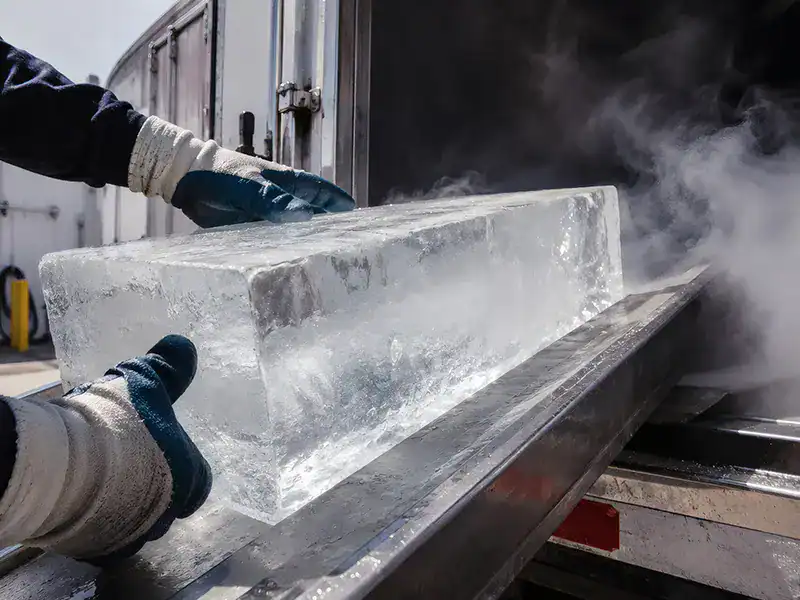
- Use block ice instead of cubed ice when possible. Block ice melts slower due to lower surface area.
- Keep the cooler in the shade. Direct sun can cut ice life in half.
- Minimize how often you open the lid. Every opening lets warm air in.
- Layer ice on the bottom and top of the cooler, with food and drinks in the middle.
- Drain water only when necessary. Cold meltwater helps keep remaining ice cold longer.
Should You Use Filtered Water to Make Ice?
Yes, especially if you’re in an area with heavily chlorinated or mineral-rich tap water. Hard water (common across Southern California) produces cloudy, slightly off-tasting ice. Filtered or distilled water results in cleaner, clearer cubes.
If your ice maker uses tap water and you’re noticing a persistent taste issue, replacing the refrigerator’s water filter is a quick fix. Most manufacturers recommend replacing filters every 6 months.
How to Tell When Ice Has Gone Bad
Watch for:
- Cloudy appearance: Can indicate mineral buildup, freezer burn, or impurities in the water
- Clumping: Ice that sticks together has been partially melted and refrozen
- Strong odor: Almost always means odor absorption from surrounding foods
- Slimy texture: A sign of bacterial contamination — discard immediately
When in doubt, throw it out. Ice is cheap. Ruining a drink (or worse, getting sick) is not.
The Bottom Line on Storing Ice
Storing ice well comes down to three basics: the right container, the right temperature, and keeping it away from odor sources.
Whether you’re managing a home freezer or packing a cooler for a weekend in the backyard, these habits keep your ice cleaner, fresher, and longer-lasting.
FAQs: Storing Ice
Q: How long does homemade ice last in the freezer?
Homemade ice stored in an airtight bag or container stays fresh for up to 3 days. After that, it may begin absorbing freezer odors. Ice left in an open tray is best used within 24 hours.
Q: Why does my ice smell like the freezer?
Ice absorbs odors from nearby foods through a process called sublimation. Storing ice in an airtight container and keeping it away from strong-smelling foods eliminates the problem.
Q: Does the type of water affect ice quality?
Yes. Hard or chlorinated tap water produces cloudy, off-tasting ice. Filtered or distilled water makes clearer, better-tasting cubes, which is especially relevant for Southern California homes with hard water.
Q: How do I keep ice from clumping in the freezer?
Clumping happens when ice partially melts and refreezes. To prevent it, store ice in a sealed bag, minimize opening the freezer door, and keep your freezer at a steady 0°F.
Q: How long does bagged store-bought ice last?
Unopened store-bought ice lasts 1–2 weeks in a 0°F freezer. Once opened, use it within 24–48 hours for best results.
Q: What’s the best way to store ice in a cooler for outdoor use?
Pre-chill the cooler, use block ice when possible, keep the cooler in the shade, and minimize lid openings. Drain water only when necessary — cold meltwater extends ice life.
Q: Is it safe to use ice that has been partially melted and refrozen?
It depends. If the ice melted due to temperature fluctuation in a clean container, it’s generally safe to refreeze and use. If it was exposed to food juices, warm environments, or hands, discard it.
Q: How often should I replace the ice in my cooler?
Replace the ice in the cooler every 24–48 hours for maximum freshness and food safety. In high temperatures (above 80°F), check more frequently and add fresh ice as needed.


Leave A Comment