
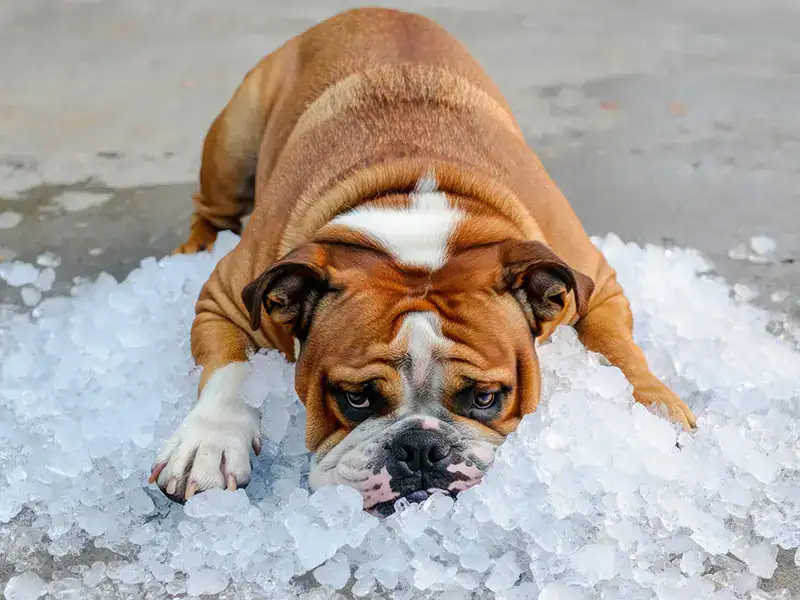
Keeping pets cool during hot weather does not have to mean running your air conditioner around the clock. Simple tricks like adding crushed ice to water bowls, freezing pet-safe treats, and creating shaded cooling stations can help prevent your pet from overheating while lowering your energy costs.
Whether your dog loves backyard ice games or your cat insists on sunbathing in the hottest room of the house for reasons known only to cats, these DIY cooling ideas help keep your pets safer and more comfortable all summer long.
How to Keep Your Pets Cool This Summer
Southern California summers are hot, dry, and relentless. While humans can complain dramatically and stand directly in front of the freezer, pets have fewer options. Many homeowners keep the air conditioning blasting all day, even when they are away, so their dogs and cats stay comfortable. Unfortunately, your electric bill may send you into a state of shock.
But you can keep your pets cooler without turning your house into a walk-in refrigerator. A few simple ice-based cooling tricks can help keep pets hydrated, entertained, and comfortable while reducing strain on your HVAC system and budget.
Dogs usually appreciate these efforts. Cats, meanwhile, may ignore every cooling trick you use and choose to nap in the hottest patch of concrete they can find.
Using Ice as a Smart, Energy-Efficient Cooling Tool
Running your air conditioner nonstop is one of the biggest contributors to summer energy costs. According to the US Department of Energy, raising your thermostat by 7 to 10 degrees for part of the day can noticeably reduce annual cooling expenses.
That is where targeted pet cooling helps. Instead of cooling your entire home, you can cool your pets directly with frozen treats, shaded rest areas, and chilled water. These methods help reduce overheating risks while keeping your energy use more manageable.
Ice also encourages hydration, which is critical during extreme heat. Pets lose water quickly through panting, especially active dogs that spend time outdoors.
Cats technically need hydration too, although many act personally offended by fresh water unless it comes from a dripping faucet at 2 a.m.
The Safest Ways to Give Ice to Dogs and Cats
There is an old myth claiming that ice water causes bloat in dogs, but veterinary experts have explained that temperature is not the issue. Bloat is linked to swallowing excess air from eating or drinking too quickly.
That said, large ice cubes are not ideal for every pet. Aggressive chewers can crack their teeth while chomping down on hard ice cubes.
Here are safer ways to use ice with pets:
- Add crushed ice to your pet’s regular water bowl.
- Freeze sodium-free chicken broth into small treats.
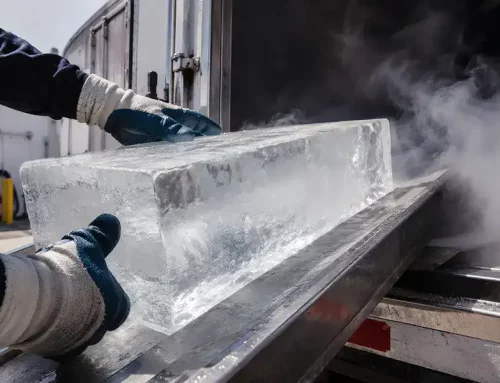
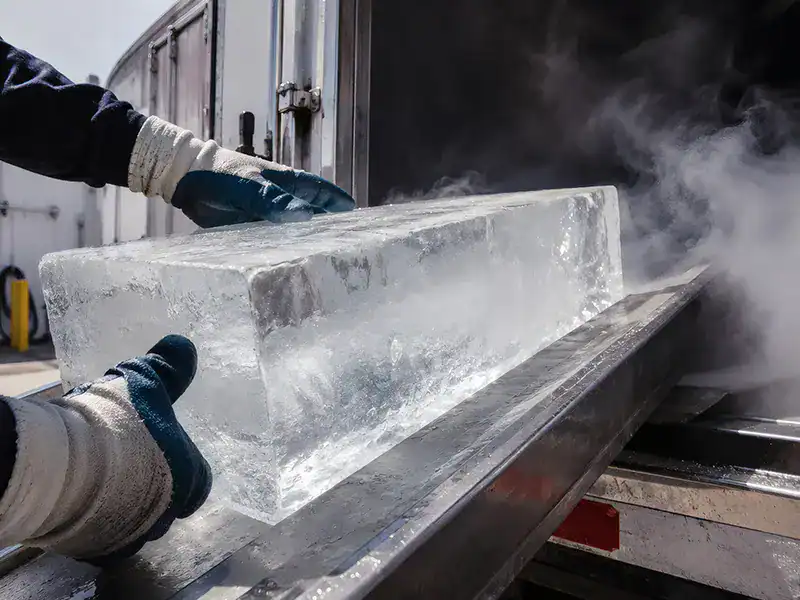
- Use slow-melting ice blocks outdoors for licking instead of chewing.
- Supervise dogs that treat ice cubes as chew toys.
- Keep frozen treats on tile, concrete, or outdoor surfaces to avoid puddles indoors.
As for cats, many enjoy cold water and frozen treats. Others will stare suspiciously at the ice cube as if you have ruined their life forever.
Create a Backyard Ice Block Station
If you have a dog that spends time outdoors, a large ice block can provide hours of cooling entertainment.
Project Time
15 minutes of prep plus overnight freezing
Estimated Cost
$5 to $10
Materials Needed
- One 2-gallon plastic bucket
- Water
- Pet-safe rubber toys
- Kibble or chopped carrots
- Optional: low-sodium broth for extra flavor
Step-by-Step Instructions
- Wash the bucket thoroughly.
- Fill it halfway with water.
- Add kibble, carrots, and durable chew toys.
- Freeze overnight.
- The next day, run warm water over the outside of the bucket.
- Slide the ice block out.
- Place it in a shaded backyard area.
Dogs love licking through the layers to reach the treats hidden inside. It keeps them busy, cool, and hydrated during peak afternoon heat.
Don’t be disappointed if your cat refuses to participate in the fun.
Make a Frozen Puzzle Toy
Want a longer-lasting indoor project for high-energy dogs? A reusable frozen puzzle toy is an excellent DIY option.
Project Time
45 minutes
Estimated Cost
About $15
Materials Needed
- 12-inch section of food-safe PVC pipe
- Two PVC end caps
- Power drill with a 1/2-inch drill bit
- Sandpaper
- Xylitol-free peanut butter
- Plain yogurt
Step-by-Step Instructions
- Secure the PVC pipe safely.
- Drill several evenly spaced holes.
- Sand every edge completely smooth.
- Wash the pipe thoroughly.
- Seal one end cap.
- Fill with yogurt, peanut butter, and water.
- Attach the second cap.
- Freeze with the holes facing upright for at least six hours.
Once frozen, the toy slowly releases cooling treats as your dog licks it.
Easy Indoor Cooling Ideas for Pets
Even indoor pets can overheat during toasty summer afternoons. These simple cooling methods help keep pets comfortable without dropping your AC’s temperature so low that you have to get a second job.
Cooling Mats
Place frozen water bottles beneath a blanket or inside a pet bed cover to create a cool resting spot.
Frozen Treat Toys
Freeze wet food or peanut butter inside durable rubber toys and serve them on tile floors.
Ice Towels
Soak a towel in cold water, wring it out thoroughly, and drape it over your dog’s back for quick relief.
Water Stations
Keep water bowls in shaded, cooler parts of your home and refresh them regularly with crushed ice.
Meanwhile, your cat may continue to sit on a sunny windowsill despite every carefully engineered cooling strategy you try.
Signs Your Pet May Be Overheating
Heat exhaustion can become dangerous very quickly in pets.
Watch for symptoms like:
- Heavy panting
- Excessive drooling
- Lethargy
- Bright red gums
- Vomiting
- Trouble walking
- Glazed eyes
If your pet shows signs of heatstroke, move them to a cooler area immediately, provide cool water, and contact your veterinarian right away.
Keep Pets Comfortable Without Sky-High Energy Bills
You do not have to choose between protecting your pets and managing your summer utility costs. Simple DIY ice projects, frozen treats, and shaded cooling areas can help pets stay safer and more comfortable during extreme heat.
Most dogs will happily embrace these cooling ideas.
Cats will evaluate them carefully, reject half of them on principle, and then sleep in the hot garage anyway.
FAQs: Keeping Pets Cool with Ice
Q: Can ice cubes crack a dog’s teeth?
Yes. Large, hard ice cubes can damage teeth, especially in older dogs or aggressive chewers. Crushed ice or large lick-only ice blocks are safer options.
Q: Does ice water cause bloat in dogs?
No. Bloat is associated with swallowing excess air while eating or drinking too quickly, not with cold water itself. You can also get a water bowl that will keep your dog from drinking too fast.
Q: Is crushed ice safer than regular ice cubes?
Usually, yes. Crushed ice melts faster and is gentler on teeth, making it a safer choice for many pets.
Q: What frozen treats are safe for dogs?
Low-sodium broth cubes, plain yogurt, wet dog food, and peanut butter are all popular ingredients for frozen treats.
Q: Can cats safely have ice in their water?
Yes. A small amount of ice can encourage some cats to drink more water during hot weather.
Q: How long does a backyard ice block last?
Depending on outdoor temperatures, a two-gallon ice block may last several hours in a shaded area.
Q: Should I put ice directly on my pet’s skin?
No. Direct ice contact can damage skin and restrict circulation. Always wrap ice packs in towels or use cool, damp cloths instead.
Q: What should I do if my pet shows signs of heatstroke?
Move your pet into a cool environment immediately, offer cool water, and contact your veterinarian as soon as possible.




Leave A Comment