

Why Fake Snow Was Once Bizarre, Dusty, Crunchy — & Sometimes Hazardous
Before CGI and eco-friendly paper flakes, Hollywood crews had to improvise snowy landscapes with whatever materials they could find.
The goal was simple: make snow that looks convincing on camera. But the methods? Not so simple — and often unsafe by today’s standards.
In the early days of filmmaking, artificial snow went far beyond shredded paper and foam sprays. Studios experimented with breakfast cereals, toxic minerals, kitchen staples, and more — with results ranging from realistic to regrettable.
Why Filmmakers Needed Fake Snow
- Climate limitations: Many studios, especially in Southern California, didn’t have access to real snow. Sets meant to look wintry had to be created indoors or on balmy lots.
- Control and consistency: Snow on the ground is unpredictable. Artificial snow guaranteed consistent visuals for repeat takes.
- Sound and logistics: True snow is cold, wet, and often quiet only on film — not on feet. Early artificial materials had their own problems with noise and cleanup.
Classic Fake Snow Materials Used in Hollywood
Cotton — Fluffy But Flammable
- Crews dumped cotton batting from above and blasted it with fans to simulate a snowstorm.
- Cotton looked light and fluffy, and captured light well on film.
- Downside: Massive quantities of flammable material posed a serious fire risk under hot set lights.
Asbestos — Realistic & Deadly
- Asbestos fibers fall like snow and are fire-resistant — a huge plus two generations ago.
- Famous films like The Wizard of Oz used asbestos snow for key scenes.
- It was sold commercially as fake snow for Christmas decorations.
- Health costs: Inhaled asbestos is now known to cause serious lung diseases (asbestosis, mesothelioma). Its use was phased out by the 1950s and later banned in many forms.
Cornflakes — Crunchy & Loud
- Painted white and sometimes mixed with gypsum, cornflakes were widely used to mimic snowflakes.
- Problem: Walking on cornflakes produced loud crunching sounds that interfered with live dialogue recording. Actors often had to dub their lines afterward.
Salt & Flour — Kitchen Snow
- Simple ingredients like salt and flour were common stand-ins for snow, especially in early silent films.
- Salt was inexpensive but could be damaging to soil and surrounding foliage.
- Flour might look fine on camera, but it created a cloud of dust that could irritate lungs.
Marble Dust — Fine Powder, Big Risks
- For films needing a powdery snow texture (for example, some scenes in Doctor Zhivago), marble dust was used.
- Issue: Like asbestos, marble dust particles are unsafe to inhale and are no longer used in modern productions.
Mid-Century Innovations
By the 1950s, filmmakers began adopting safer, more practical artificial-snow solutions.
Foamite Snow — A Quiet Breakthrough
- For It’s a Wonderful Life (1946), director Frank Capra needed snow that wouldn’t crunch during dialogue scenes.
- Solution: Special effects artist Russell Shearman mixed foamite (a fire-extinguisher foam base) with soap, water, and sugar to make snow that:
-
- Fell gently
- Was quieter underfoot
- Clung to clothing and trees
- This became a landmark advancement in practical snow effects.
Why Some Old-School Snow Was Unsafe
Many vintage methods had hidden costs:
- Toxicity: Asbestos and marble dust posed real health hazards.
- Environmental harm: Salt and synthetic materials could damage soil and plants when dumped outdoors.
- Noise: Cornflakes and other rigid materials made dialogue scenes difficult.
Modern Fake Snow: Safer, Greener, and More Realistic
Today’s filmmaking offers vastly improved techniques:
- Paper-based materials: Shredded recycled paper (e.g., SnowCel) looks realistic, is biodegradable, and easy to clean.
- Foam and biodegradable products: Modern foam agents are non-toxic and easier on cast and crew.
- CGI and digital effects: Digital snow is common, especially for sweeping landscapes or layered snowfall.
- Combination approaches: Practical effects close to the camera mixed with CGI backgrounds deliver the most convincing snow.
Case Study: Creating Winter Russia in the Spanish Summer
Doctor Zhivago is set in cold, snowy Russia during and after the Revolution.
But filming in the Soviet Union was impossible due to Cold War politics — the novel was banned, and the authorities wouldn’t cooperate with a Western production.
Director David Lean and his team recreated Russian winter conditions for the film, far from actual snow — primarily in Spain.
Where the Snow Scenes Were Actually Filmed
1. Spain — Main Location
- Outdoor “snowy” landscapes, including streets and countryside, were shot around Soria and near Madrid using artificial snow and set design.
- Massive sets were built, including Moscow streets and the Varykino estate.
2. Finland
- Some landscape winter sequences — especially scenes with deep snow and outdoor railway shots — were filmed near Joensuu in eastern Finland.
3. Canada
- Additional snowy vistas and train sequences were captured in the Canadian Rockies to enhance the Siberian backdrop.
How They Made Snow Look Real
Marble Dust as Snow
The production applied large quantities of fine marble dust to sets to achieve the look and reflective properties of real snow on camera.
Wax & Powder for Ice Effects
In landmark scenes like the Varykino “ice palace,” walls, furniture, and props were:
- Sprayed with hot wax
- Then dusted with marble powder
- Sometimes combined with salicylic acid powder and soap flakes
This created the appearance of glistening frost — the kind of icy effect that reads well on film even under bright lights.
Set Details
Even small architectural details — rooftops, onion domes, and window ledges — were coated to look frozen and dusted with synthetic snow during the shoot.
What It Actually Felt Like on Set
Heat Instead of Cold
Despite portraying blizzards and Siberia:
- Most winter scenes were filmed in Spain during summer or mild weather.
- On some days, temperatures reached around 90°F (32°C) — quite the opposite of freezing.
Actors in Heavy Winter Costumes
Actors and extras wore thick wool coats, fur hats, and scarves, and layered up as they stood in the heat. This led to:
- Frequent face dabbing to manage sweat
- Discomfort during long takes in heavy costumes under hot sunlight and studio lights
Indoor vs Outdoor
Some controlled studio sets were cooler, but many large outdoor scenes were under direct sun — a challenge for both performers and crew.
Why This All Mattered
Visual Authenticity
Lean’s goal was photo-real snow, not cheap winter backdrops. The marble dust and wax techniques read convincingly on film under natural and artificial light.
Logistical Reality
Spain offered infrastructure, space, and political accessibility that real Russia did not. But its weather worked against authenticity, forcing more reliance on artifice.
Practical Trade-Offs
Snow that looks real on film doesn’t have to feel real. Actors endured discomfort to deliver performances that would sell the illusion of bitter cold on screen.
FAQs: Fake Snow in Film
Was asbestos really used in movie snow?
Yes — asbestos was widely used through the 1930s-50s because it looked like snow and resisted fire, especially on hot studio sets.
Why did cornflake snow have to be dubbed?
Cornflakes made loud crunching sounds underfoot, interfering with live audio recording.
How did It’s a Wonderful Life make snow quieter?
Special effects mixed foamite with soap, water, and sugar, creating quiet, clinging snow.
Are marble dust and flour still used today?
No — due to health and environmental concerns, these materials have been replaced by safer alternatives like paper flakes and biodegradable foams.
What do modern films use for snow?
Recycled paper, eco foams, and digital snow effects are standard; often, a mix of practical and CGI is used.
Can fake snow get wet and melt?
Some modern foam-and-paper snow can absorb moisture and clump, but it won’t melt like real snow — directors plan accordingly.
How do snow machines work on set?
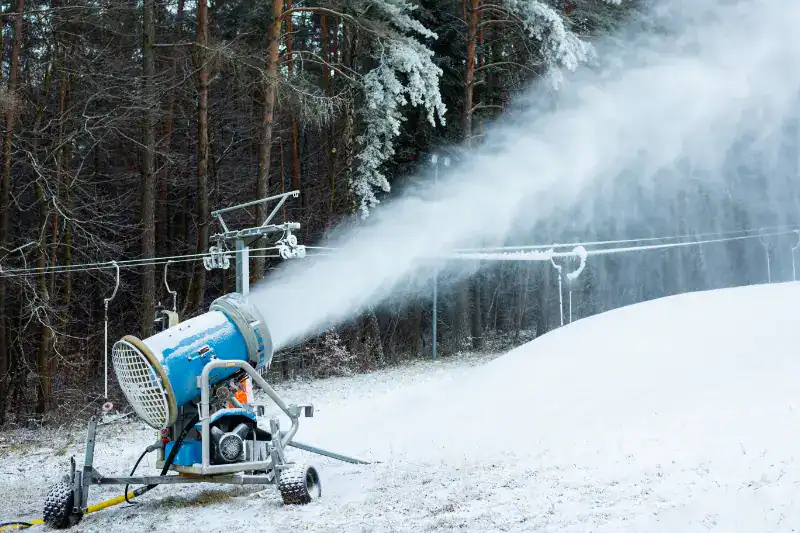
Snow machines blow foam or shredded materials through fans to simulate falling snow.
Why not just shoot in real snow?
Real snow is unpredictable in timing, depth, and texture — artificial snow ensures aesthetic and logistical control.


Leave A Comment