

Dry ice is solid carbon dioxide (CO₂). As it warms up, it skips the liquid stage and turns straight into gas at -109.3°F (-78.5°C). This unique feature makes it perfect for shipping frozen food and vaccines, cleaning industrial equipment, creating fog for theater, and even helping homeowners during power outages.
From Haunted Houses to High-Tech Industries
Most people know dry ice as the secret behind the spooky fog that creeps across haunted houses every Halloween. But dry ice works year-round and all around us.
Carbon dioxide is all around us. It’s in the air, the soda you drink, and in fire extinguishers. When you freeze it, it turns into dry ice. Unlike regular ice, dry ice doesn’t melt into water. Instead, it seems to vanish, making clouds of white fog as it turns back into gas. It might look like magic, but it’s really just science.
Because dry ice turns straight into gas, it is used in many industries. It helps move medicines, cleans machines without chemicals, keeps food cold during shipping, and helps manufacturers fit metal parts together.
While most people don’t use it daily, homeowners in Southern California might find it useful during power outages, backyard parties, or some DIY projects.
Why Dry Ice Is Unlike Other Ice
Dry ice was discovered almost 200 years ago, but its unique properties still make it important in industries such as medicine, manufacturing, and food transport.
Regular ice is just frozen water. Dry ice is frozen carbon dioxide, made by compressing and cooling it until it becomes solid at -109.3°F (-78.5°C).
The biggest difference is what happens as each one warms up.
- Regular ice melts into liquid water.
- Dry ice sublimates, changing directly from a solid into a gas without becoming liquid.
That’s why it never leaves behind puddles, dripping coolers, or water damage.
Dry ice is over 140 degrees colder than regular ice, so it’s the best choice when you need to keep things frozen for a long time.
How Dry Ice Is Made
Dry ice starts as liquid carbon dioxide under pressure. Most of this CO₂ comes from industrial processes such as fermentation, fuel combustion, and natural gas processing.
When the pressure is suddenly released, the liquid expands rapidly.
- Roughly half instantly becomes CO₂ gas.
- The rest cools quickly and freezes into dry-ice ‘snow.’
That snow is then compressed into different shapes depending on its purpose:
- Blocks for long-lasting cooling
- Pellets for shipping and dry ice blasting
- Slices and smaller pieces for specialized industrial uses
How Dry Ice Keeps Industry Running
From keeping ice cream frozen to cleaning industrial machinery, dry ice has some seriously cool jobs. Here are a few of the ways industries put it to work.
Keeping Food Frozen from Factory to Freezer
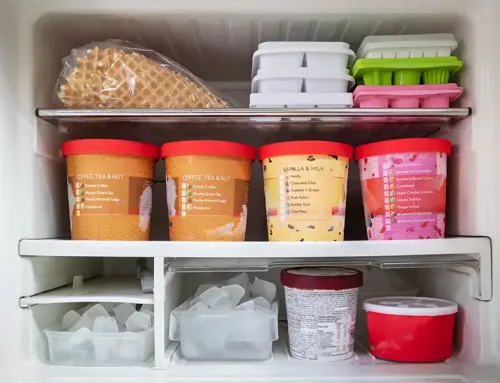
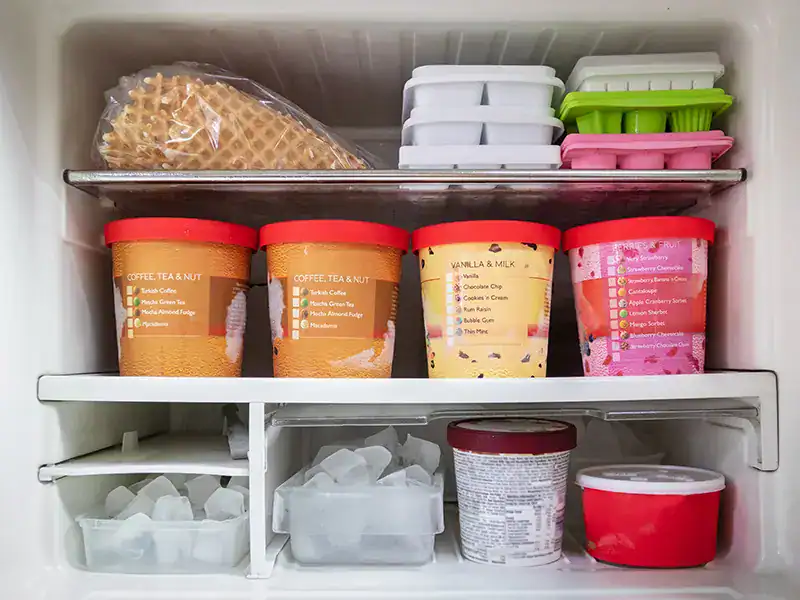
- Whether it’s premium ice cream, fresh seafood, frozen steaks, or meal-delivery kits, dry ice helps products arrive in the same condition they left the warehouse.
- Because it doesn’t melt, it prevents soggy packaging and standing water that can contribute to contamination or bacterial growth.
Cleaning Equipment Without Chemicals or Water
Dry ice blasting is a powerful industrial cleaning method that many people have not heard about.
Instead of using sand or harsh chemicals, technicians shoot dry ice pellets through a high-pressure nozzle at incredible speeds. When the pellets hit the surface, three things happen almost instantly:
- The impact loosens dirt and buildup.
- The extreme cold causes contaminants to crack away from the surface.
- The dry ice immediately turns into gas, lifting debris away without leaving moisture behind.
This process leaves the surface clean and creates almost no extra waste.
That’s why dry ice blasting is commonly used to clean:
- Printing presses
- Electrical equipment
- Food-processing machinery
- Aircraft components
- Manufacturing equipment
Dry ice blasting is especially useful in places where water, chemicals, or abrasive cleaning could cause harm.
Protecting Medicines During Transport
Some products simply can’t warm up without being ruined.
- Vaccines, biologic medications, laboratory samples, and other pharmaceuticals often travel through what’s called the cold chain, a carefully controlled shipping process that keeps temperatures consistently below freezing.
- Dry ice helps keep these products cold, even when they are shipped across the country or overseas.
- For example, during the rollout of mRNA vaccines, dry ice played a critical role in maintaining ultra-low temperatures while doses traveled from manufacturing facilities to clinics.
Helping Manufacturers Build Better Products
Sometimes metal parts need to shrink before they can fit together.
- Manufacturers use dry ice to cool certain metal parts, causing them to shrink slightly. After the parts are put together, the metal warms up, expands, and fits tightly without glue or bolts.
- Dry ice is also used in making plastic and rubber products. The quick cooling helps finished items come out of molds more easily.
Practical Ways Homeowners Can Use Dry Ice
Most people do not think of dry ice as something to use at home, but it can be helpful, especially during hot summers or power outages in Southern California.
- Keep food cold during a blackout
A 10-pound block of dry ice can keep a well-insulated cooler cold for roughly 18 to 24 hours. For best results, place the dry ice on top of frozen food because cold air naturally sinks. - Help with certain pest-control methods
Carbon dioxide naturally attracts mosquitoes because it’s one of the gases people exhale. Some commercial mosquito traps use dry ice as the CO₂ source, providing a chemical-free way to lure insects into the trap. - Assist with stubborn drain clogs
Using a small amount of dry ice can sometimes help loosen debris in drains because the expanding CO₂ creates pressure. While it’s not a replacement for traditional drain cleaning, it may help with minor buildup in certain situations.
WARNING: Handle Dry Ice Safely!
Dry ice can be dangerous if not handled properly. Following a few simple safety steps can prevent accidents.
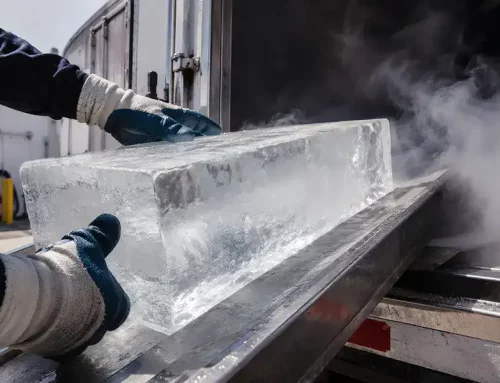
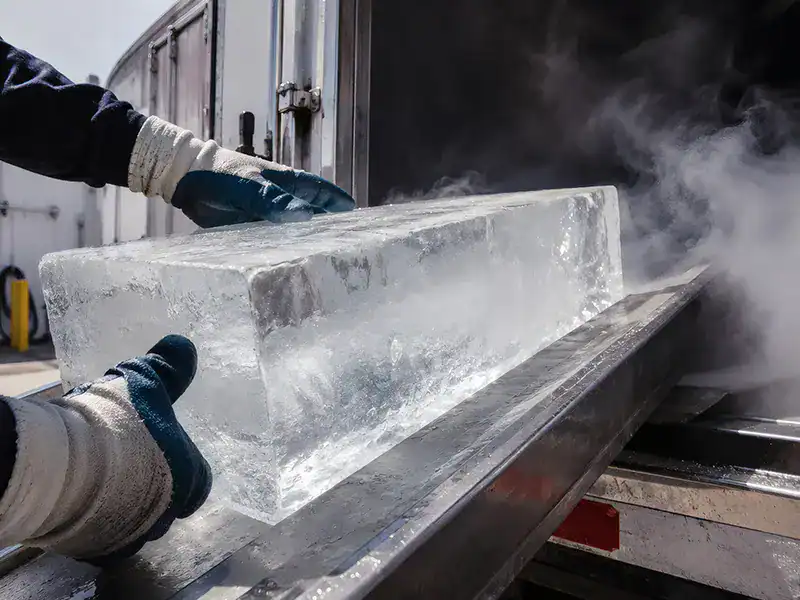
- Wear insulated gloves or use tongs. Never touch it with your bare hands.
- Never seal dry ice inside an airtight container.
- Use it only in well-ventilated areas.
- Keep it away from children and pets.
- Never store it in a walk-in freezer or small enclosed room where CO₂ can accumulate.
Where to Buy Dry Ice in Southern California
Finding dry ice is easier than many people realize.
Many grocery stores sell 5- to 10-pound blocks, often near the front checkout area or inside freezer cases. Restaurant supply stores, welding suppliers, and specialty ice companies usually stock larger quantities for commercial customers.
For most household projects, 5 to 10 pounds is plenty.
Cool Science With Real-World Benefits
Dry ice might look like something from a science experiment, but it is actually used in many important ways in modern industry.
Its ability to remain incredibly cold without leaving any liquid behind makes it invaluable for shipping food and medicine, cleaning expensive equipment, manufacturing products, and even helping homeowners during emergencies.
Remember, dry ice is very useful but also extremely cold. Use it safely, make sure it can release gas, and you will have a great cooling tool.
FAQs: Dry Ice Science & Applications
Q: Why is it called dry ice?
The name “Dry Ice” was originally a trade name. The term was trademarked in the United States in the 1920s, when solid carbon dioxide began to be sold commercially. It eventually became so widely used that “dry ice” is now the common name for solid CO₂. It’s called “dry” because it sublimates directly from solid to gas rather than melting into a liquid.
Q: How cold is dry ice?
Dry ice maintains a temperature of -109.3°F (-78.5°C), making it more than 140 degrees colder than ordinary ice.
Q: How long will dry ice last?
A 10-pound block typically lasts 18 to 24 hours in a quality cooler. Larger blocks last longer, while pellets disappear more quickly because they have more exposed surface area.
Q: Can dry ice go in a regular cooler?
Yes, as long as the cooler isn’t completely airtight. Never seal dry ice inside any container because the expanding CO₂ gas can build up pressure.
Q: Is dry ice safe to touch?
No. Direct contact can cause severe frostbite within seconds. Always use insulated gloves or tongs.
Q: Can dry ice keep a freezer cold during a power outage?
Yes, but it has to be used correctly. Follow the appliance manufacturer’s recommendations and avoid placing dry ice directly against plastic surfaces, as they can crack from the extreme cold.
Q: What are some unusual uses for dry ice?
Besides theatrical fog, dry ice is used to clean historic buildings, remove graffiti, preserve biological samples, shrink metal parts during manufacturing, and even control mosquitoes in certain commercial traps.
Q: How should leftover dry ice be disposed of?
Simply place it outdoors or in another well-ventilated area and allow it to sublimate naturally. Never throw it into a trash can, sink, toilet, or sealed container.






Leave A Comment