

Few things derail a Friday night rush like a broken ice machine.
While making ice in-house seems simple, it quietly drains your staff’s time, ties up capital, and exposes your kitchen to costly breakdowns.
Here’s how switching to an ice delivery service saves your restaurant real time and money — and how to decide if it’s the right play for your business.
Why Do Restaurants Struggle with In-House Ice Production?
Making ice in-house requires more resources than most restaurant owners expect. Common pain points include:
- Staff time: Someone has to monitor ice levels, refill machines, and regularly clean out bins.
- Equipment costs: Commercial ice machines are expensive to purchase, maintain, and repair.
- Downtime risk: When a machine breaks, restaurants scramble to find backup ice, often at a premium.
- Storage space: Ice machines and bins take up valuable kitchen real estate that could be used to store food or supplies.
- Inconsistent quality: Machines that aren’t cleaned on schedule can produce ice with odors or bacteria buildup, creating a health code risk.
Each of these issues chips away at profitability, even if the cost isn’t obvious on a monthly expense report.
How Does Ice Delivery Save Restaurants Money?
Ice delivery services replace the ongoing costs of in-house production with a predictable, scheduled expense. Here’s where the savings show up:
- Lower labor costs: Staff no longer spend time managing ice machines, which frees them up for higher-value tasks like food prep and customer service.
- Reduced equipment expenses: Restaurants that switch to delivery can skip the cost of buying, maintaining, and eventually replacing commercial ice machines.
- Fewer emergency costs: No more scrambling to buy bagged ice at retail prices when a machine fails mid-shift.
- Consistent quality control: Delivered ice typically meets food safety standards, reducing the risk of health code violations associated with poorly maintained machines.
- Advanced filtration for better flavor: Delivered ice is often produced using advanced filtration systems that remove impurities, ensuring a clean, neutral taste. This enhances the flavor of beverages and food, providing a consistently superior customer experience compared to ice made with untreated or poorly filtered water.
Restaurants that calculate the full cost of in-house ice production, including labor, utilities, maintenance, and repairs, often find delivery service is the more affordable option.
How Does Ice Delivery Save Time During Service?
Time savings matter just as much as cost savings, especially during peak hours. Ice delivery services help by:
- Eliminating machine monitoring: Staff don’t need to check ice levels or troubleshoot machine issues during a rush.
- Freeing up kitchen space: Without a bulky ice machine taking up floor space, kitchens can reorganize for better workflow.
- Simplifying inventory: Scheduled deliveries mean managers don’t have to think about ice as a daily task. It’s handled automatically.
- Reducing training needs: New staff don’t need to learn how to operate or maintain an ice machine.
For restaurants operating with tight staffing, these short-term savings add up.
What Types of Restaurants Benefit Most from Ice Delivery?
Ice delivery services make the most sense for:
- High-volume bars and restaurants that use large quantities of ice daily and can’t afford machine downtime.
- Seasonal or pop-up restaurants that don’t want to invest in permanent ice-making equipment.
- Kitchens with limited space where an ice machine would crowd out other essential equipment.
- Multi-location restaurant groups that seek consistent ice quality and streamlined logistics across locations.
Choose ice delivery if your kitchen values consistency and staff efficiency over full control of the on-site ice-making process. Choose in-house production if you have the space, budget, and staff bandwidth to manage a machine without disrupting service.
How Do Restaurants Choose the Right Ice Delivery Service?
Not all ice delivery services operate the same way. Before signing a contract, restaurant owners should ask:
- How often can deliveries be scheduled? Look for flexibility around peak seasons and special events.
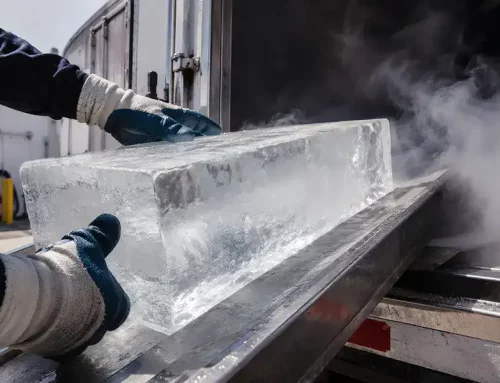
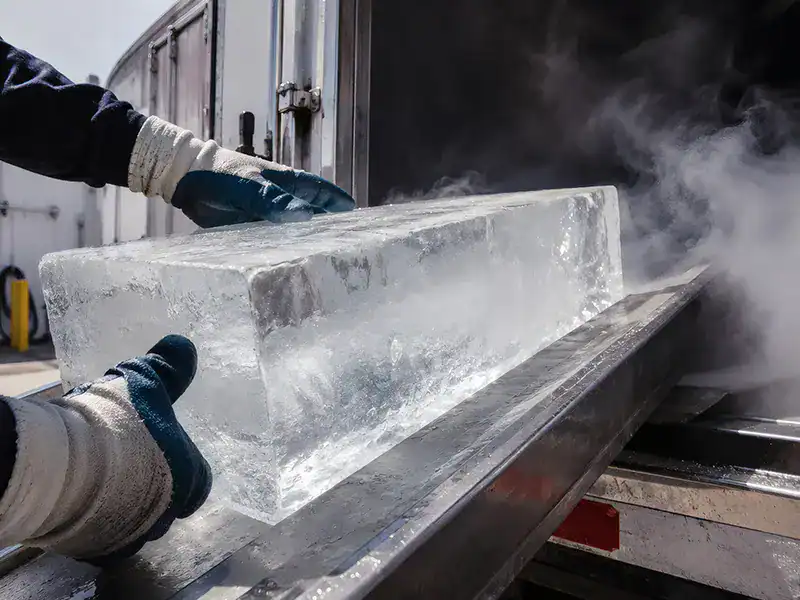
- What types of ice are offered? Cubed, crushed, and block ice all serve different purposes in a restaurant setting.
- Is the ice produced in a food-safety-certified facility? This protects your restaurant from health code issues.
- What happens if a delivery is missed? Ask about backup plans and guarantees.
- Are there volume discounts? Restaurants that use large amounts of ice may qualify for lower per-unit pricing.
A reliable ice delivery partner should feel like an extension of your kitchen team, not just another vendor.
Make Ice Management One Less Thing to Worry About
Ice is easy to take for granted until it becomes a problem. Restaurants that switch to scheduled ice delivery free up staff time, reduce equipment costs, and avoid the stress of last-minute ice shortages.
If your kitchen is spending more time and money on ice than it should, it’s worth calculating what a delivery service could save you. Start by tracking how many labor hours and dollars go into ice production over a single month. That number often makes the decision easy.
FAQs: Ice Delivery for Restaurants
Q: How much does ice delivery cost for a restaurant?
Costs vary based on volume, delivery frequency, and location, but most restaurants find delivery service comparable to or cheaper than the total cost of in-house ice production once labor and equipment expenses are factored in.
Q: How often can restaurants schedule ice deliveries?
Most ice delivery services offer flexible scheduling, ranging from daily to weekly deliveries, depending on the restaurant’s volume and storage capacity.
Q: Is delivered ice safe for commercial food service?
Reputable ice delivery services produce ice in food-safety-certified facilities, which often results in more consistent quality than ice made in poorly maintained in-house machines.
Q: What happens if a restaurant runs out of ice between deliveries?
Many ice delivery services offer emergency or on-demand delivery options for restaurants that experience unexpected demand spikes.
Q: Do restaurants need to store bulk ice differently from machine-made ice?
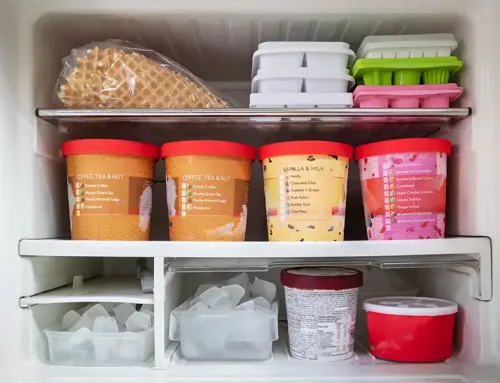
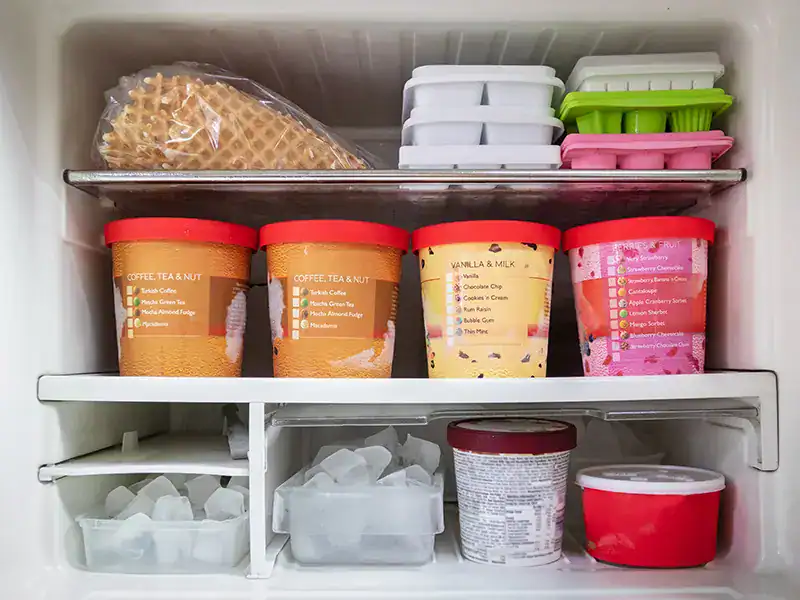
Delivered ice typically arrives in bags or bins designed for easy storage in standard freezers, so no special equipment is required.
Q: Can small restaurants benefit from ice delivery, or is it only for high-volume operations?
Restaurants of any size can benefit, but the time and cost savings are most noticeable for restaurants with high ice usage or limited kitchen staff.
Q: What are the alternatives to ice delivery services?
The main alternative is in-house ice production using a commercial ice machine, which requires upfront investment, ongoing maintenance, and staff time.
Q: How do restaurants know if switching to ice delivery is worth it?
Restaurants should compare the total monthly cost of in-house ice production, including labor, utilities, and maintenance, against delivery service pricing to see which option offers better value.






Leave A Comment