

Ice can make or break a cocktail. It does far more than keep drinks cold — it controls dilution, texture, aroma, balance, and even presentation.
The wrong ice can leave a cocktail watery or harsh, while the right ice creates a smoother, better-balanced drink.
From large cubes for spirit-forward cocktails to crushed ice for tropical drinks, each style serves a purpose.
In this guide, you’ll learn how different types of ice affect cocktails, which ice works best for popular drinks, and simple ways to improve your cocktails at home with better ice techniques.
Ice does more than make a drink cold
Many people treat ice like an afterthought. Bartenders do not.
Ice affects nearly every part of a cocktail:
- Temperature: Cold drinks taste cleaner and more refreshing.
- Dilution: As ice melts, it adds water. That water is not a mistake. It is part of the recipe.
- Texture: Proper dilution softens strong alcohol, giving drinks a smoother mouthfeel.
- Balance: A cocktail that is too warm or too strong can feel sharp. Ice helps bring the ingredients together.
- Presentation: Clear, solid ice looks better and melts slower.
If your cocktail tastes too harsh, too watery, or just off, ice may be the reason.
Dilution is not the enemy
A common mistake is thinking that less melt always means a better drink. But cocktails need some dilution to taste right:
- Spirits open up when a small amount of water is added.
- Sweetness, acidity, and bitterness become more balanced.
- Alcohol heat drops, so the drink feels smoother.
This is why bartenders shake or stir with purpose. They aren’t just chilling the drink. They’re adding the right amount of water.
Think of ice as a built-in seasoning tool:
- Too little dilution, and the cocktail tastes hot and tight.
- Too much dilution, and it tastes weak.
- The goal is balance.
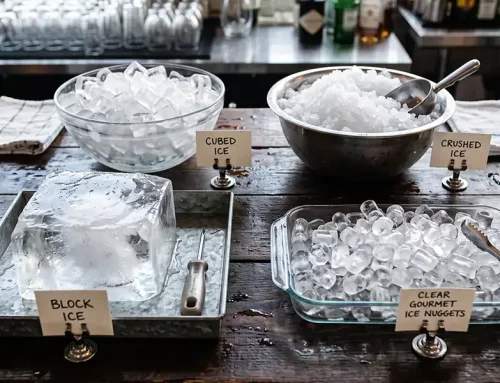
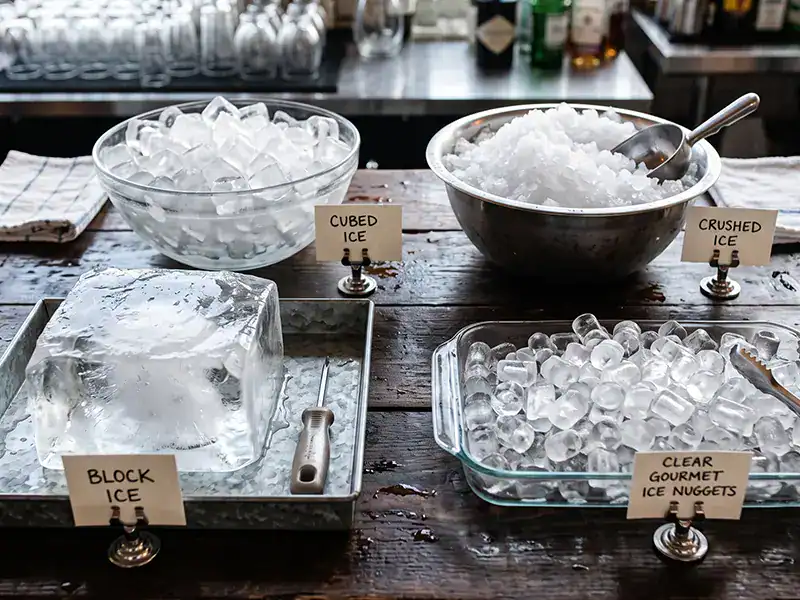
The size of the ice matters
Different types of ice melt at different rates. That changes the drink.
Large cubes
Best for:
- Old Fashioneds
- Negronis
- Whiskey on the rocks
- Other spirit-forward drinks
Why they work:
- Less surface area means slower melting.
- They keep the drink cold without flooding it with water too fast.
- They also look clean and polished in the glass.
Standard cubes
Best for:
- Highballs
- G&Ts
- Rum and Coke
- Everyday mixed drinks
Why they work:
- Easy to make and use.
- Good all-around chilling.
- Ideal when you want a practical ice option for home bartending.
Crushed ice
Best for:
- Mint Juleps
- Mai Tais
- Swizzles
- Smashes
- Tiki drinks
Why it works:
- High surface area chills the drink fast.
- Adds dilution quickly, which suits stronger or sweeter drinks.
- Creates a frosty, refreshing texture.
Crushed ice isn’t “worse” ice. It just serves a different purpose.
Collins spears and long ice
Best for:
- Tom Collins
- Mojitos
- Palomas
- Tall sparkling drinks
Why they work:
- Fit narrow glasses well.
- Slow melt can help keep fizzy drinks cold without watering them down too fast.
- They improve the look of tall cocktails.
Clear ice is not just about looks
Cloudy ice often contains:
- Trapped air
- Minerals
- Impurities from the freezing process
Clear ice is usually:
- Denser
- Harder
- Slower to melt
- Prettier in the glass
That makes a difference in spirit-forward cocktails where one big cube is part of the experience.
At home, clear ice can improve:
- Old Fashioneds
- Manhattans served over ice
- Negronis
- Whiskey pours
- Any cocktail where presentation matters
You don’t need crystal-clear ice for every drink. But for simple cocktails, high-quality ice can have a noticeable effect.
Shaken vs. stirred: ice changes both
The way you use ice matters as much as the kind of ice you use.
Shaken drinks
Examples:
- Margaritas
- Daiquiris
- Whiskey Sours
- Cosmopolitans
What ice does here:
- Chills the drink quickly
- Adds more dilution
- Adds tiny air bubbles for a lighter texture
Shaking works best for drinks with:
- Citrus juice
- Egg white
- Cream
- Syrups
- Multiple ingredients that need strong mixing
Stirred drinks
Examples:
- Martini
- Manhattan
- Negroni
- Boulevardier
What ice does here:
- Chills the drink with more control
- Adds less aeration
- Keeps the texture silky and smooth
Stirring is better for spirit-only cocktails where clarity and texture matter.
In both methods, good ice helps you hit the sweet spot faster and more consistently.
Bad ice can ruin a good cocktail
You can use premium spirits and fresh ingredients and still end up with a mediocre drink if your ice is poor.
Common ice problems include:
- Small, wet cubes: They melt fast and over-dilute the drink.
- Freezer-smelling ice: Ice absorbs odors easily. If your freezer smells like leftovers, your cocktail may too.
- Hollow ice: It often melts quickly and chills less effectively.
- Old ice: Stale ice can pick up off flavors over time.
Simple fixes:
- Keep ice in a sealed container or bag.
- Do not store it uncovered.
- Replace old freezer ice regularly.
- Use fresh trays if the ice smells or tastes odd.
Clean ice leads to cleaner flavor.
Matching the ice to the drink
A simple rule: match melt rate and texture to the cocktail style.
Use this quick guide:
- Large cube or sphere
- Best for slow sipping
- Use in spirit-forward drinks
- Standard cubes
- Best for most shaken drinks and mixed drinks
- Good default choice
- Crushed ice
- Best for refreshing, strong, or sweet drinks
- Great when fast chilling is part of the appeal
- Pebble ice
- Best for tiki and julep-style drinks
- Soft texture makes drinks more fun to sip
- Long spear
- Best for highballs and tall drinks
- Helps with both form and function
When the ice fits the drink, the cocktail stays balanced longer.
Home bartenders often make these ice mistakes
If your cocktails are inconsistent, one of these may be the cause.
1. Using too little ice in the shaker
This seems smart, but it usually backfires.
- Less ice melts faster during shaking.
- That can lead to more dilution, not less.
- A full shaker chills the drink faster and more efficiently.
2. Pouring a drink over old shaking ice
The ice used to shake a cocktail has already started melting.
Better approach:
- Shake with one batch of ice.
- Strain over fresh ice in the serving glass.
This keeps the final drink colder and more controlled.
3. Ignoring glass temperature
Warm glassware melts ice faster.
If possible:
- Chill coupe glasses before serving up drinks.
- Chill rocks glasses if you want cocktails to stay colder longer.
4. Using one ice style for every drink
Different cocktails need different melt rates.
A Margarita and an Old Fashioned should not be treated the same way.
How to upgrade your cocktail ice at home
You do not need bar-grade equipment to get better results.
Start with these practical upgrades:
- Use filtered water for cleaner taste.
- Freeze fresh ice often instead of relying on old freezer trays.
- Buy a silicone mold for large cubes or spheres.
- Keep crushed ice on hand for juleps, tiki drinks, and summer cocktails.
- Store ice in sealed containers to avoid freezer odors.
- Use more ice, not less, when shaking or stirring.
If you want to go a step further:
- Try a small clear-ice mold or directional freezing method.
- Keep separate ice for cocktails and everyday use.
- Make ice part of the recipe, not an afterthought.
The best cocktails treat ice as an ingredient
Ice shapes the drink from the first sip to the last.
When you choose the right ice:
- The drink gets colder, faster
- Dilution becomes controlled
- Flavors become balanced
- Texture improves
- Presentation gets sharper
That’s why professional bartenders care so much about it, and why you should, too.
If you want better cocktails without changing your bottle lineup, start with your ice. It may be the simplest upgrade you can make.
FAQs: Ice for Perfect Cocktails
Q: Why is ice considered an ingredient in cocktails?
Because it changes the drink’s temperature, dilution, texture, and balance. It directly affects flavor, not just serving style.
Q: What type of ice is best for an Old Fashioned?
A large cube or sphere works best. It slowly chills the drink and limits rapid dilution.
Q: Does clear ice really make a difference?
Yes. Clear ice is usually denser and melts more slowly. It also looks better, especially in spirit-forward cocktails.
Q: Why do shaken cocktails use more ice?
More ice chills the drink faster and helps better control dilution than a small amount of ice.
Q: Is crushed ice bad for cocktails?
No. Crushed ice is ideal for certain drinks like Mint Juleps, tiki cocktails, and smashes because it chills fast and adds the right texture.
Q: Should I use the same ice for shaking and serving?
Usually no. It’s better to shake with one batch of ice and strain over fresh ice in the glass.
Q: Can freezer odors affect cocktail ice?
Yes. Ice absorbs smells easily. If your freezer has strong odors, your drinks can absorb them.
Q: What’s the easiest way to improve cocktail ice at home?
Use filtered water, store ice in sealed containers, and make large cubes for spirit-forward drinks.




Leave A Comment