

Why Getting Your Ice Numbers Right Matters
Your guests are mingling, the playlist is perfect, and the food hits the spot.
But something’s off with the beverages. You go to the cooler to find only warm beer and soda, sitting in a pool of lukewarm water. Just what you needed on a scorching summer day.
Running out of ice kills event vibes, but buying too much wastes money and space.
This guide breaks down factors like number of guests, the type of drinks you’ll serve, the weather, and the length of the party, to calculate your ice needs. That way, you can focus on hosting — without last-minute runs for more ice.
Calculation Factors
Before buying ice, assess your event: Is it indoors or outdoors? How many people are coming? What drinks are you serving? Start with the basic rule of “one pound per person,” but adjust using the guide’s step-by-step factors for a more accurate estimate.
Indoor vs. Outdoor Events
Temperature is the enemy of ice retention.
- Indoor Events: In a climate-controlled environment (AC set to 70-74°F), ice melts at a predictable, slow rate. You can generally stick to standard estimates here.
- Outdoor Events: Direct sunlight, wind, and ambient heat drastically increase melt rates.
- The 80°F Rule: If temperatures are below 80°F, increase your base ice order by 15-20%.
- The 90°F+ Rule: If you expect heat above 90°F, increase your order by 30-40% to account for rapid melting in coolers and drinks.
Party Duration
It sounds obvious, but a two-hour cocktail mixer requires significantly less ice than a six-hour wedding reception.
- Short Events (2-3 hours): Focus on ice for serving drinks.
- Long Events (4+ hours): You need “maintenance ice” to top off coolers as the initial batch melts. Plan for an additional 10 pounds of ice per cooler for every 4 hours of event time.
Calculating Ice for Drinks
A scotch on the rocks uses less ice than a blended margarita. Here’s how to determine your needs by beverage type.
The General Rule of Thumb
- Total Ice Needed: 1.5 to 2 lbs per person.
- Usage Split: This usually covers chilling bottles/cans AND serving ice in glasses.
Specific Drink Breakdowns
Cocktails (Shaken or Stirred)
- Standard highballs (Gin & Tonic, Vodka Soda) require a full glass of cubes.
- Estimate: 3 drinks per 1 lb of ice.
Ice-Heavy Cocktails (Blended or Crushed)
- Drinks like Mint Juleps, Tikis, or frozen margaritas consume massive amounts of ice.
- Estimate: 1 drink per 0.5 – 0.75 lbs of ice. If you’re serving frozen drinks, double your total ice order.
Beer and Wine (Chilling Only)
- You aren’t putting ice in the glass, but you need volume to surround the bottles.
- Estimate: 1 lb of ice per guest is usually sufficient for keeping the cooler dense and cold.
Calculating Ice for Coolers and Food Stations
Beyond just drinks, ice plays a crucial role in food safety and logistics.
Chilling Cans and Bottles
To rapidly cool warm beverages and keep them cold:
- Ratio: 2 parts ice to 1 part water creates an ice bath that chills drinks faster than ice alone.
- Quantity: A standard 48-quart cooler (holding about 50-60 cans) needs about 20-30 lbs of ice to be effective.
Food Safety (Raw Bars and Buffets)
If you are serving shrimp cocktails, oysters, or chilled salads outdoors:
- Bedding Ice: You need a solid 2-3 inch bed of ice.
- Calculation: Calculate the surface area of your display trays. A standard 4-foot buffet table section might need 40-50 lbs of ice to maintain safe temperatures for 3-4 hours.
Detailed Estimates by Guest Count
Here’s a quick reference cheat sheet for a standard 4-hour evening party with mixed drinks:
- 10 Guests: 20-25 lbs
- 20 Guests: 40-50 lbs
- 50 Guests: 100-125 lbs
- 100 Guests: 200-250 lbs
- 200 Guests: 400-500 lbs
Note: If it is a hot summer day outdoors, add 25% to these numbers.
Creative Uses for Ice at Events
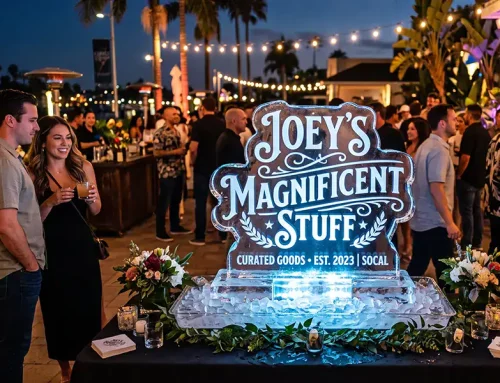
Ice isn’t just functional; it can be an aesthetic element that elevates the guest experience.
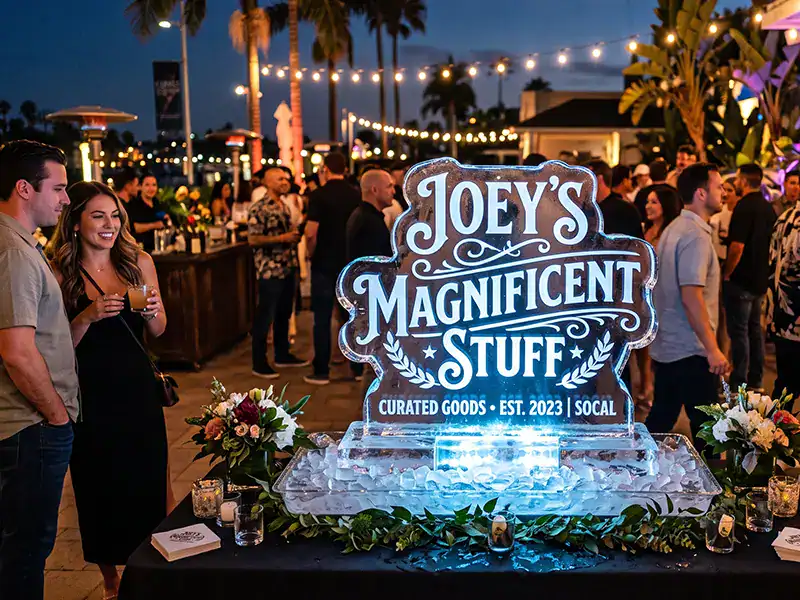
- Floral Ice Buckets: Freeze flowers or citrus slices into large blocks of ice to use as wine chillers.
- Infused Ice Cubes: Freeze berries, herbs (mint, rosemary), or edible flowers into the cubes used for drinks. As they melt, they add flavor rather than watering down the drink.
- Coffee Ice: For brunch events or evening pick-me-ups, freeze cold brew coffee into cubes. Use these for iced lattes or White Russians to keep the caffeine kick strong.
- The “Ice Luge”: For livelier parties, an ice luge serves as both entertainment and a drink chiller.
Best Practices for Storing Ice During the Event
Buying ice is step one; keeping it frozen is step two.
- Keep it off the ground: Heat radiates from the ground (especially concrete or asphalt). Elevate your coolers on tables or stands.
- Shade is mandatory: Never place your ice station or coolers in direct sunlight. If natural shade isn’t available, use an umbrella or pop-up tent.
- Separate the “Working” Ice: Keep the ice used for serving drinks in a separate container from the ice used to chill beer bottles. This prevents cross-contamination from dirty hands or bottle labels reaching the ice that goes into glasses.
- Use Light Colors: White coolers reflect heat; dark coolers absorb it. If you have to use dark tubs, wrap them in white linens.
- Keep the Lid Closed: It seems obvious, but leaving a cooler lid cracked open destroys ice retention. Assign someone to periodically check that coolers are sealed tight.
Types of Ice to Consider
The shape of the ice affects the melt rate and the drink quality.
- Cube Ice: The standard. Good for general chilling and mixed drinks.
- Crushed Ice: Melts very fast. Use only for specific cocktails (Juleps, Tikis) or raw bar displays.
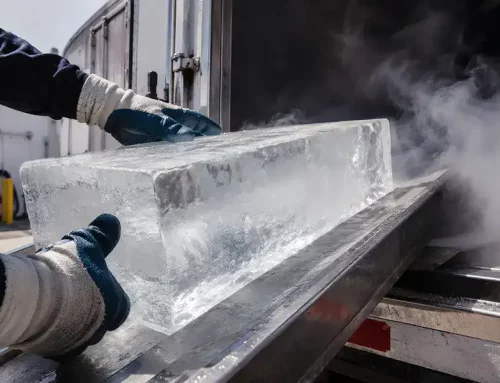
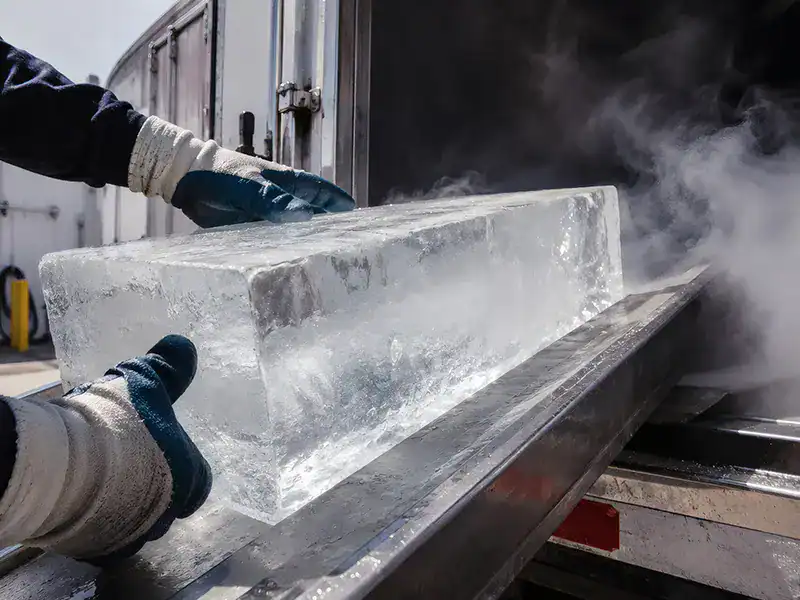
- Block Ice: Melts very slowly. Perfect for punches or keeping coolers cold for extremely long durations (8+ hours).
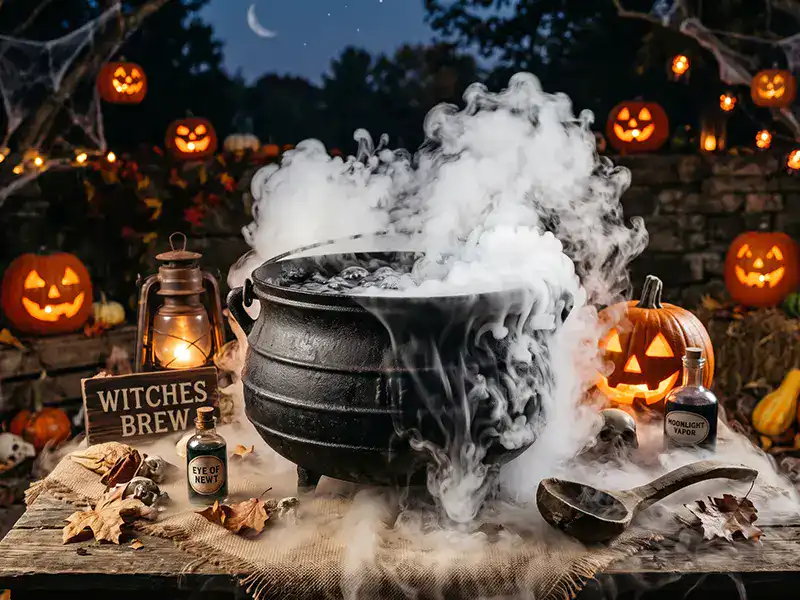
- Dry Ice: Not for consumption. Use this for special fog effects or for flash-freezing items during transport. Warning: Never put dry ice directly into drinks without proper safety cages, as swallowing it causes severe injury.
FAQs About Party Ice
1. Can I store bags of ice in my home freezer before the party?
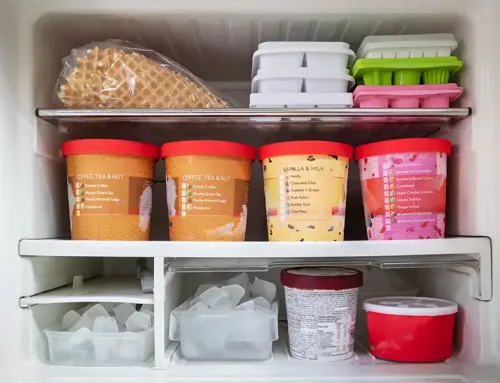
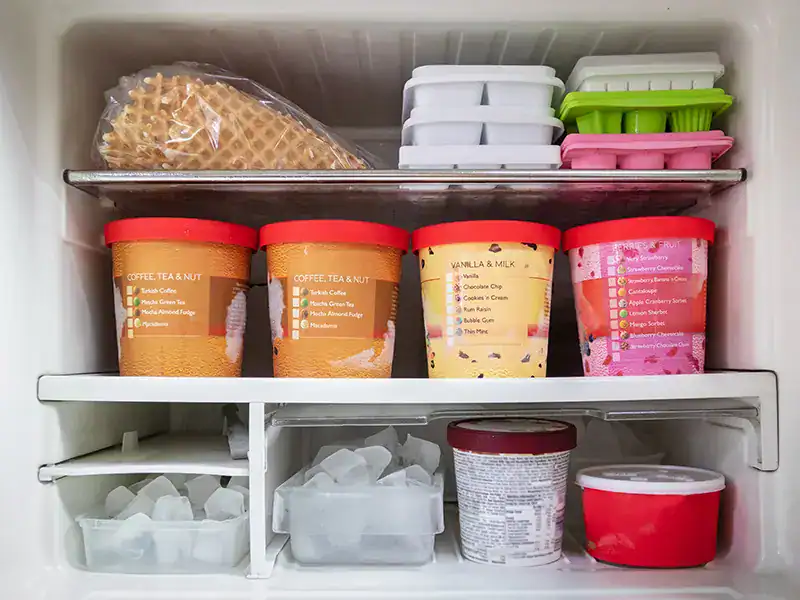
Most standard home freezers can only hold 20-30 lbs of ice if empty. If you need 50+ lbs, your home freezer will not be sufficient. You should plan to pick up the ice immediately before the event or rent a dedicated chest freezer.
2. How much ice fits in a standard bathtub?
If you are using a bathtub as a giant cooler, you can fit approximately 80-100 lbs of ice along with beverages. However, keep in mind that bathtubs are not insulated, so the ice will melt much faster than in a cooler.
3. Does clear ice melt slower than cloudy ice?
Yes. Clear ice is free of air bubbles and impurities, making it denser. Because it has less surface area exposed to air internally, it melts significantly slower than cloudy, standard bag ice.
4. How do I transport 100+ lbs of ice without a truck?
If you don’t have a truck, distribute the weight. 100 lbs of ice is heavy and can damage car upholstery if it leaks. Use heavy-duty plastic bins or line your trunk with a tarp and towels to catch condensation.
5. What is the best ice for a whiskey tasting?
For premium spirits, use large “king cubes” or spheres. These have a low surface-area-to-volume ratio, meaning they chill the spirit without diluting it quickly, preserving the flavor profile.
6. How quickly does dry ice sublimate (melt)?
Dry ice sublimates at a rate of 5-10 pounds every 24 hours in a standard cooler. If you buy it the day before, buy significantly more than you need.
7. Is “gourmet” nugget ice good for outdoor parties?
Nugget ice (often called “Sonic ice”) is chewable and popular, but it has a very high surface area. It will melt extremely fast outdoors. Use it only for indoor events or if you have a machine constantly replenishing it.
8. Can I buy ice the day before the party?
Only if you have chest freezers or high-quality coolers (like Yeti or Rtic) that can hold ice for 24+ hours. If using standard Styrofoam or plastic coolers, buying the day before will result in a 20-30% loss due to melting before the party even starts.
Leave A Comment