

Pouring a top-shelf beverage over standard freezer ice quickly ruins the drinking experience.
Standard ice dilutes your drink, introduces unwanted freezer odors, and looks unappealing in the glass. Premium ice solves these common problems.
This guide explains what sets premium ice apart from standard refrigerator ice cubes and discusses the methods of crafting the perfect cube.
The Core Differences at a Glance
- Visual appeal: Premium ice is entirely transparent, while regular ice is cloudy and opaque.
- Density: Premium ice contains zero trapped air pockets, making it significantly denser.
- Flavor profile: Premium ice acts as a neutral chilling agent, imparting no flavor to your drink.
- Longevity: Premium ice melts much slower than regular ice.
Why Premium Ice Is Crystal Clear
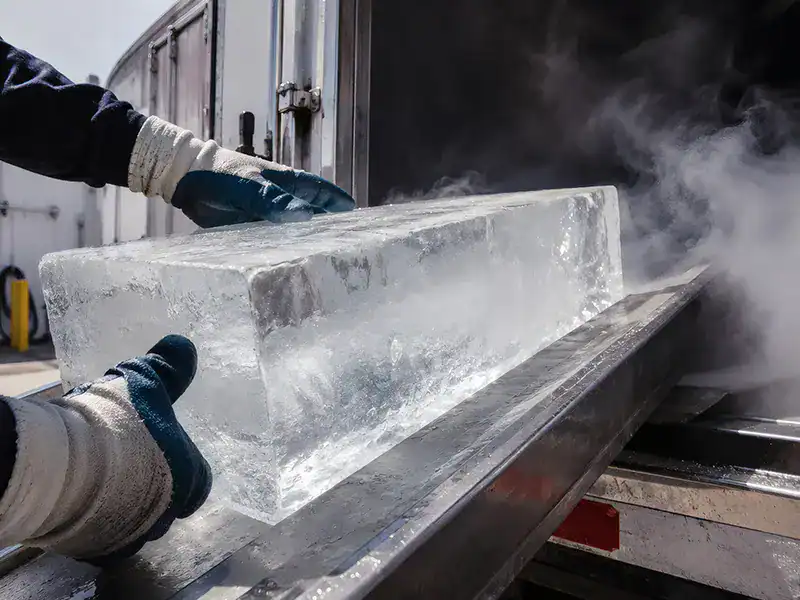
Standard ice cubes look white and cloudy in the center. Premium ice looks like a solid block of glass.
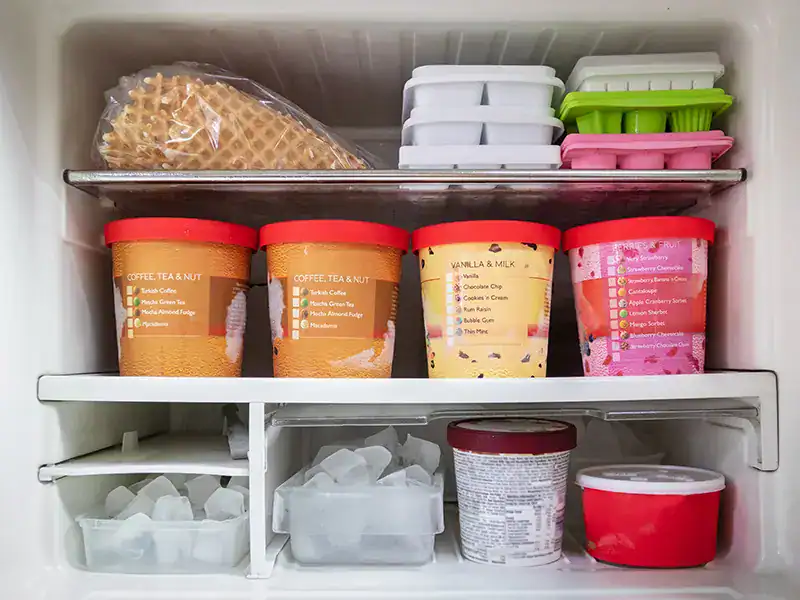
This difference is due to trapped impurities and gases. Tap water contains microscopic air bubbles and dissolved minerals. When you place a standard plastic ice tray in your freezer, cold air hits the water from all sides simultaneously.
- The outside edges of the water freeze first.
- The freezing process pushes dissolved air and minerals toward the liquid center.
- The center freezes last, trapping all the air and impurities in a cloudy cluster.
Premium ice achieves clarity through directional freezing.
- The ice freezes from one side, forcing impurities and air bubbles to move in a specific direction.
- This allows for clear, pure ice to form on the opposite end of the tray.
- Impurities are frozen at the very bottom, which is later cut away.
- Premium ice makers use techniques like bottom-up or top-down freezing to achieve this clarity.
- Directional freezing also produces denser ice, resulting in slower melting and less dilution of drinks.
The quality of water used also affects the clarity of ice cubes.
- Filtered or purified water tends to produce clearer ice because it contains fewer impurities.
- Water with high mineral content may result in cloudy or hazy
Melting Speed: The Science of Ice Density
Beverage enthusiasts prefer premium ice because it keeps drinks cold without watering them down. Regular ice melts rapidly. Premium ice melts slowly and evenly.
Trapped air and surface area control the melting speed of ice:
- Trapped air: The cloudy center of regular ice contains microscopic air pockets. Air pockets weaken the ice’s structural integrity, causing it to crack and splinter in room-temperature liquids. More cracks mean more surface area exposed to the drink, which accelerates melting.
- Surface area: Premium ice is typically served in large formats, such as a single two-inch cube or a perfectly round sphere. A large sphere has the lowest possible surface-area-to-volume ratio of any shape. A smaller surface area in contact with the liquid means a slower heat transfer rate.
When you use a solid, bubble-free block of premium ice, your drink stays cold longer while maintaining its intended flavor profile.
Taste & Odor: Keeping Your Drinks Pure
Ice should never change the way your drink tastes or smells. Unfortunately, regular freezer ice often imparts unwanted flavors to beverages.
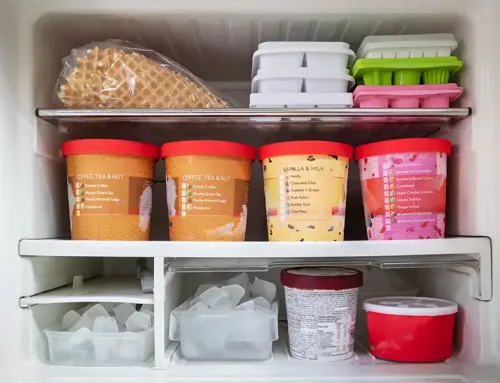
Standard home freezers circulate air to maintain cold temperatures. This means the air blowing over your frozen pizza and leftover food also blows directly over your exposed ice cube trays.
Because standard ice forms cracks and traps oxygen, it readily absorbs ambient freezer odors. Furthermore, using unfiltered tap water leaves trace amounts of chlorine and heavy metals inside the ice.
Premium ice eliminates flavor contamination.
- It uses double-filtered or distilled water to remove chemical impurities.
- It freezes the water in isolated, specialized molds that block circulating air.
- It creates a dense, crack-free surface that resists odor absorption.
Production Methods: How the Magic Happens
For DIY enthusiasts, setting up a clear ice station at home is a rewarding project that involves specialized hardware and techniques.
Standard Ice Production
Regular ice requires zero specialized tools. You simply fill a plastic or silicone mold with tap water and place it in a freezer. The process is entirely passive and results in a low-quality product.
Premium Ice Production
Premium ice requires a controlled freezing environment.
The Insulated Cooler Method
This is the most popular DIY method. You need a small hard-sided insulated cooler, a serrated knife, and an ice pick.
- Remove the lid from the small cooler.
- Fill the cooler with filtered water.
- Place the open cooler into your chest freezer.
- The insulation prevents the water from freezing on the sides and bottom. The cold air only touches the water’s surface.
- The water freezes downward, pushing air bubbles to the bottom.
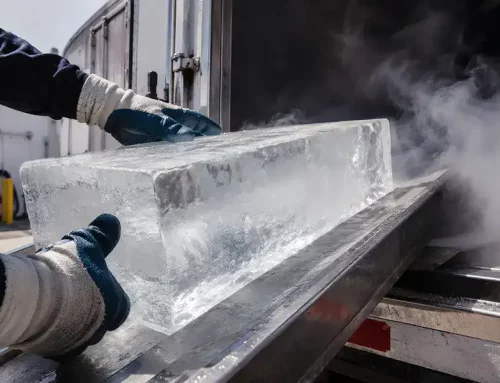
- After 24 hours, you remove the block, chip away the unfrozen or cloudy bottom section, and use an ice saw or serrated knife to score and split the clear ice into perfect cubes.
Dedicated Clear Ice Makers
For a more automated approach, many homeowners install dedicated clear ice machines. Water continuously runs over a freezing plate.
Only pure water freezes onto the plate layer by layer, while water containing impurities continues flowing into a reservoir to be filtered again.
Why You Should Upgrade Your Ice Game
Upgrading to premium ice provides immediate benefits for anyone who regularly entertains guests or enjoys high-quality beverages.
Investing in clear ice tools — whether a specialized insulated mold, an ice saw, or an under-counter clear ice appliance — elevates your home bar setup.
You’ll no longer ruin expensive spirits or carefully crafted beverages by diluting them with cloudy, freezer-burned ice. Taking control of your ice production ensures your drinks taste exactly as intended.
Or, you could save yourself the hassle and order top-quality crushed, cubed, or block ice from Crystal Ice.
FAQs About Premium Ice
Can I make premium ice at home?
Yes, using the directional freezing method. You’ll need an insulated cooler that fits inside your freezer, an ice pick, and a serrated knife to carve the clear block into smaller cubes.
Why is my refrigerator ice always cloudy?
When water freezes from the outside in, it traps dissolved air, minerals, and impurities in the cube’s center, creating a cloudy, white appearance.
Does boiling water first make clear ice?
Boiling water removes some dissolved oxygen, but it doesn’t produce perfectly clear ice on its own. If you freeze boiled water in a standard ice tray, it will still freeze from the outside in, creating a cloudy center. Directional freezing is the way to true clarity.
How long does premium ice take to freeze?
Premium ice takes much longer to freeze than regular ice because it requires insulation for directional freezing. A standard batch in a small cooler typically takes between 24 and 36 hours to freeze deep enough to harvest clear blocks.
Is premium ice actually colder than regular ice?
No. Premium ice and regular ice sit at the same temperature when stored in the same freezer. However, premium ice maintains its cold temperature longer in a drink because its higher density and lack of air pockets significantly slow its melting.
What tools do I need to make and cut clear ice?
To make and process clear ice manually, you need a hard-sided insulated cooler, a specialized ice saw or a heavy serrated bread knife, a solid wooden mallet, and a heavy-duty ice pick or awl for splitting the blocks.
Does premium ice taste better?
Premium ice has no taste, which is exactly why beverage enthusiasts prefer it. By removing impurities and preventing freezer odor absorption, premium ice lets you taste only your beverage, not your tap water or freezer air.
Why do bartenders use large ice cubes?
Bartenders use large, clear ice cubes because they melt very slowly. A large cube has less surface area exposed to the liquid compared to several small cubes. This keeps the cocktail perfectly chilled without watering down the carefully measured ingredients.




Leave A Comment